
Anyone who has travelled abroad must have, at one time or another, packed instant noodles in their luggage.
Sometimes they’re there for emergencies, for those late nights when there are absolutely no eateries open but the stomach still grumbles for food. Sometimes they’re the staple diet, because who can afford to eat out every day, especially when the currency exchange rate can quickly kill one’s appetite?
However, not everyone likes instant noodles, and not all accommodation types will allow guests to “cook” in their room. Sure, there are instant noodles that come in cups or bowls where you just need to pour hot water into them, but these can take up quite a bit of luggage space.
Enter ready-to-eat (RTE) meals.
While hardly a new invention, it has been a boon for Malaysian travellers in recent years.
Today, more Malaysians have begun adding RTE meals to their packing list, be it for domestic or overseas trips.
Nursyazana Zulhimi, 39, is one such traveller. After finding out about RTE meals from TikTok, she started bringing some on her trips these past two to three years.
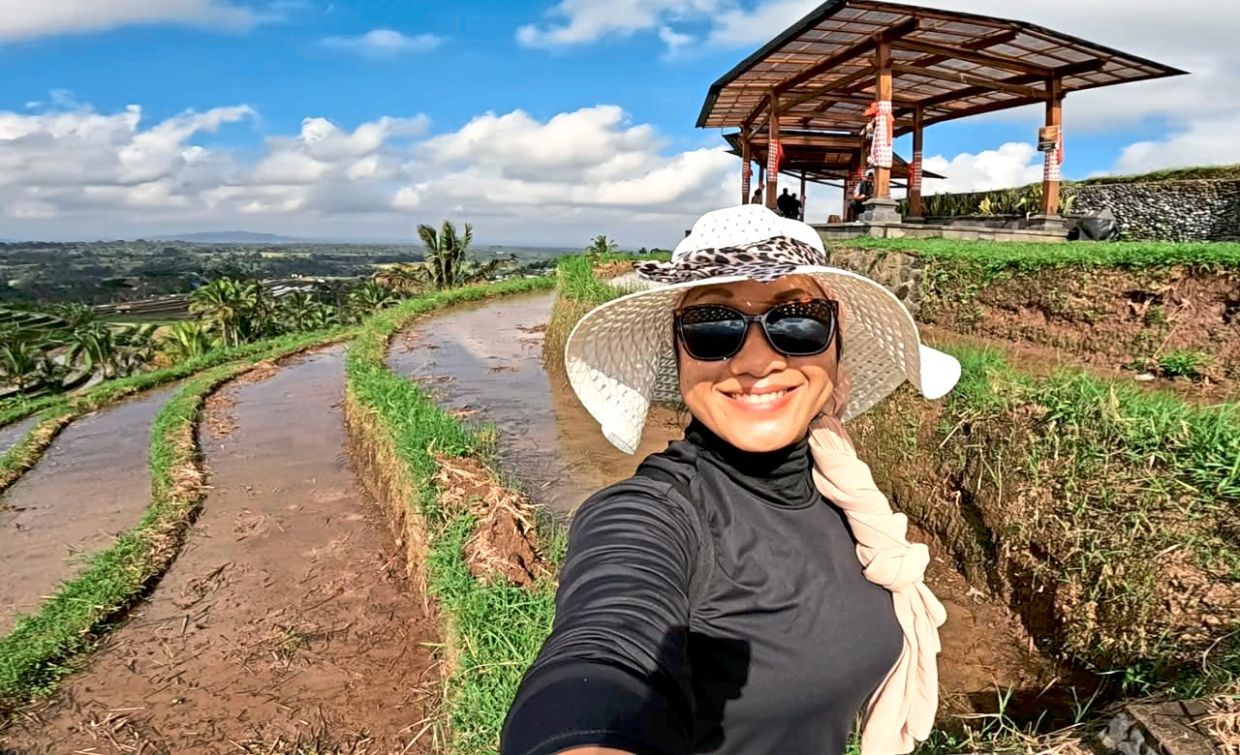
“I bring them to places where it may be hard to find halal food,” she says, listing countries like France, South Korea and Japan as destinations she’s brought them to.
Nursyazana has even packed some when she went to Indonesia, despite this being a country with the world’s largest Muslim population. That’s because sometimes it’s not just about the availability of halal food, it’s also about keeping dining costs to a minimum.
“It’s cost effective,” she says. Bringing RTE meals can certainly keep the budget allocated to dining much smaller, as it reduces the need to purchase food.
It doesn’t necessarily need to be takeaway meals from restaurants – even something as unassuming as a sandwich or plain bread from a convenience store can sometimes be exorbitantly priced.
Nur Syafina Sulaiman, 26, agrees with this point.
Noting that food can be costly in certain destinations, Nur Syafina says that bringing meals from home is much more practical. This rings especially true when travelling for multiple days.
“RTE meals are also easy to prepare,” she adds. This is a feature she highly appreciates because after returning exhausted from a long day of sightseeing, the last thing she wants to do is cook up a storm.
It is also great, she says, for when she wants a quick meal without having to step out of her holiday accommodation. Perfect for days when staying in and recuperating outweigh the desire to venture outside. This usually happens during the first part of the trip when the body is still acclimatising to a new time zone or the weather.
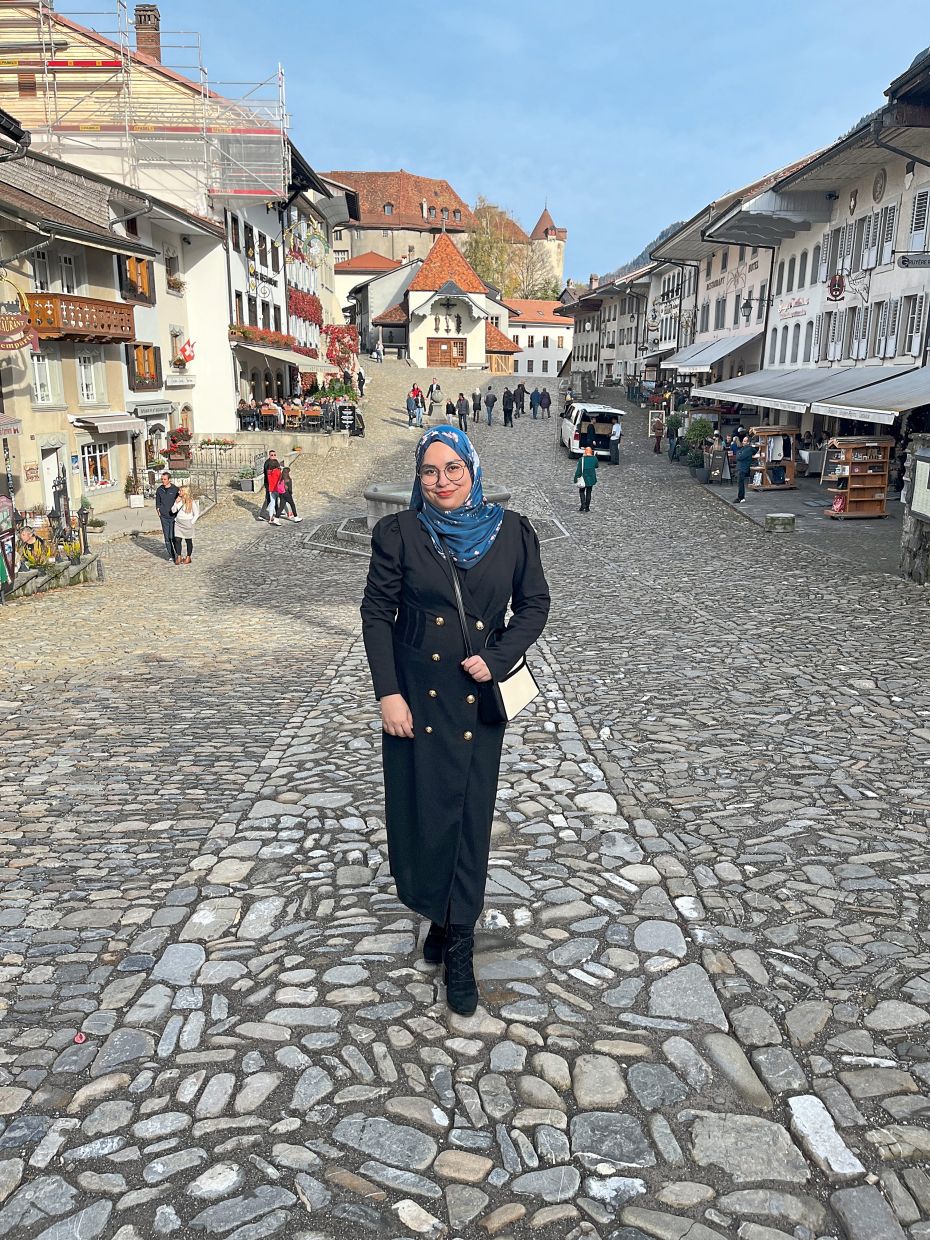
Another benefit for Nur Syafina is that bringing RTE meals eases her dietary concern. Sometimes, it can be difficult to find food that she is comfortable eating, she explains. This includes food that isn’t guaranteed to be halal. So, having halal food readily available offers her peace of mind.
“It is all about balancing convenience and cost with enjoying my travels without worrying too much about food,” she notes.
Meals made easy
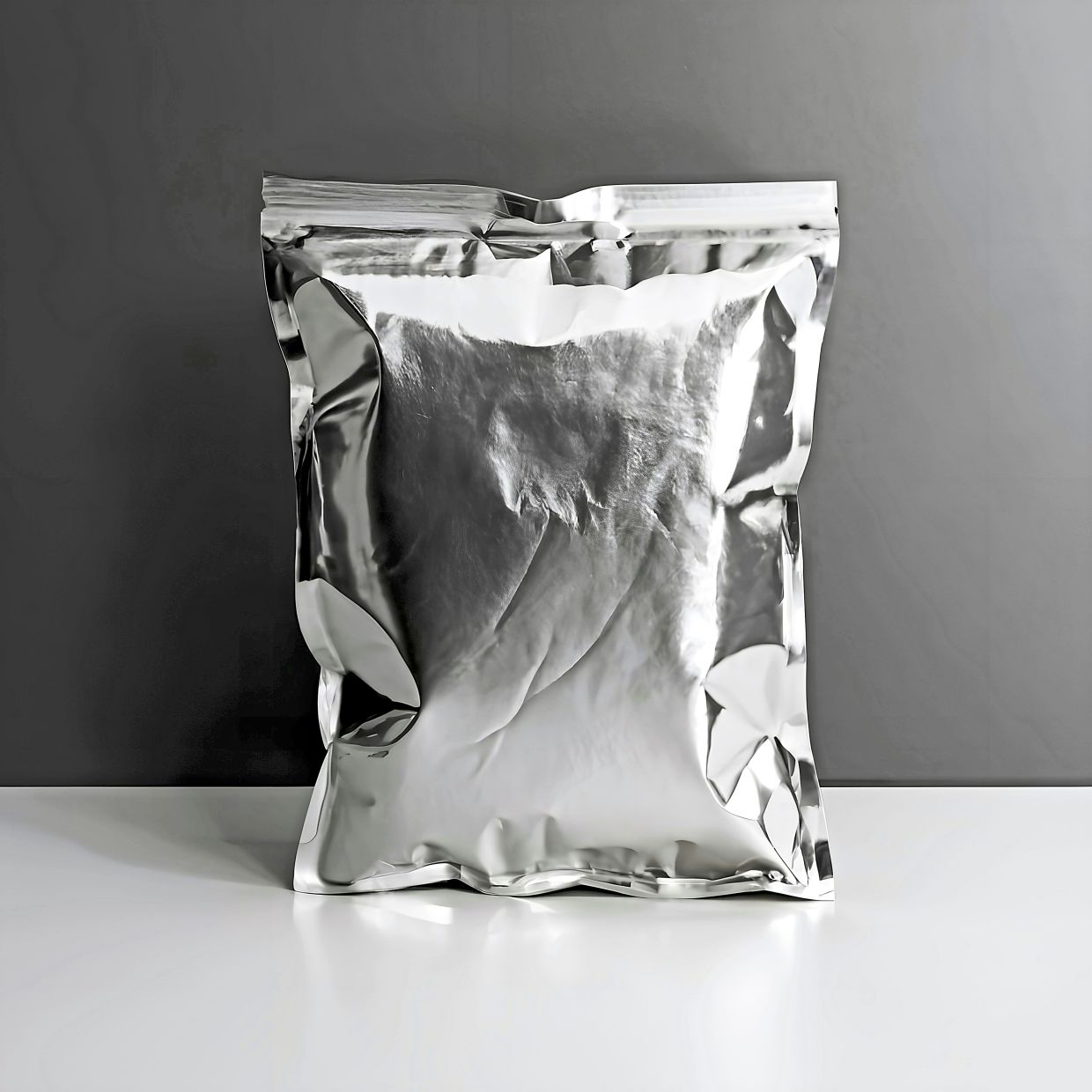
Convenience plays a big part in travellers’ decision to bring RTE meals. Their light and compact packaging – typically in the form of retort pouches or plastic containers – means they can easily fit in any luggage.
They require minimal preparation, translating to less hassle when it comes time to serve them.
The earliest form of RTE meals in the tourism industry can be traced back to the 1940s, when airlines began using pre-made frozen meals for onboard dining. These evolved from military inventions that commercial airlines adopted after World War II ended.
But it is often the 1950s “TV dinners” that are credited as the precursor to today’s travel-friendly RTE meals.
TV dinners and pre-cooked food marketed as hassle-free meals that were meant to be eaten while watching TV, came in portable packaging and were readily accessible to the public, particularly in the Western world.
By the 1980s and 1990s, pre-packaged meals had evolved further, becoming even more portable and requiring even less preparation. The improved versions were no longer like the 1940s ones that required a specific oven for heating up, or the 1950s ones that needed to be kept frozen and later heated up for at least half an hour before consumption.
Microwave ovens and shelf- stable retort pouches were what made these improvements possible. The former meant heating up now takes only a few minutes, while the latter meant most of them no longer needed to stay frozen to keep them from spoiling.
Some of these are even fitted with a self-heating feature, requiring no external source such as an oven or stovetop to heat it.
Like the pre-packed meals of the aviation industry, self-heating meals also evolved from military MRE (Meals, Ready-to-Eat).
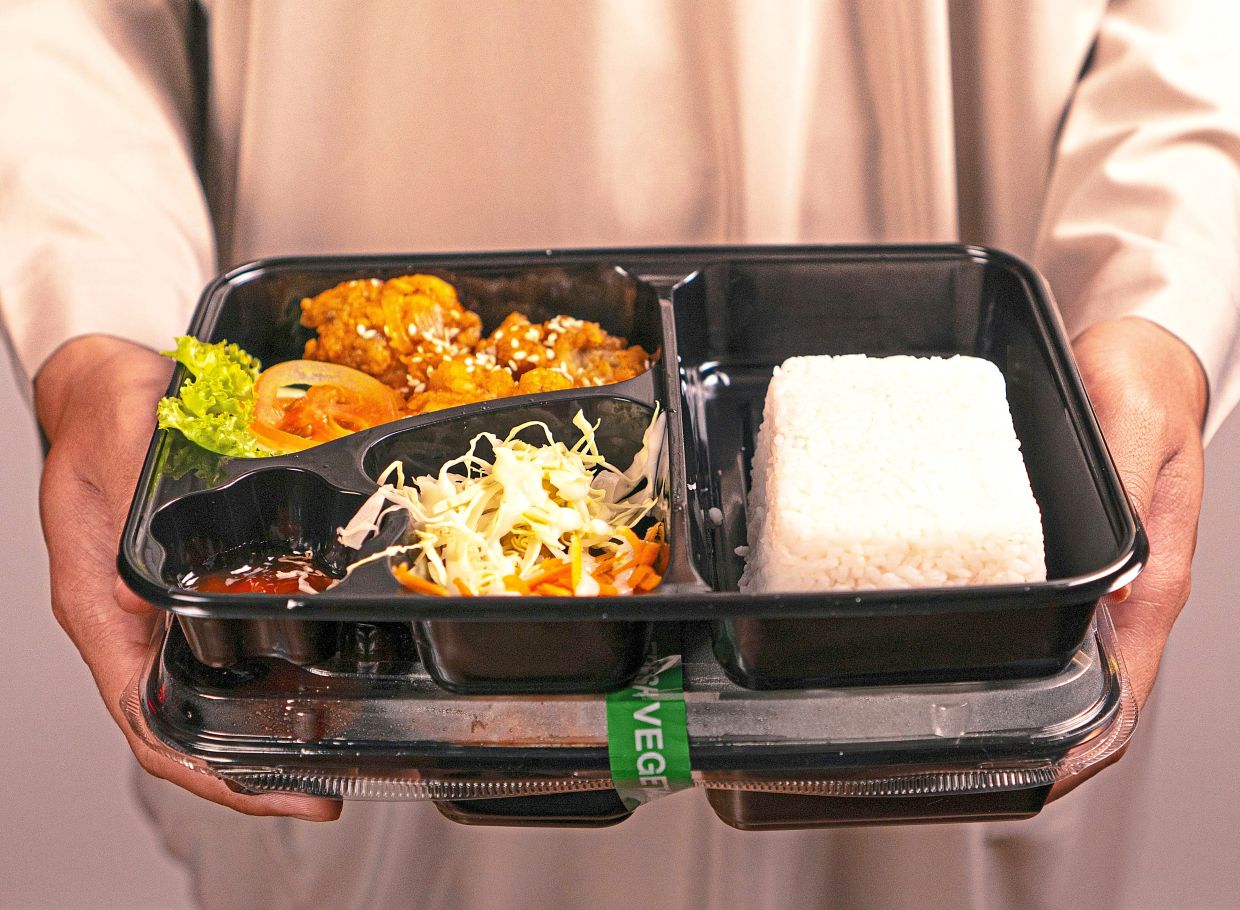
Self-heating meals became more pronounced in the civilian travel space since late 1980s, when Japan introduced self-heating railway bento or lunchboxes. By the early 1990s, canned drinks and noodles were starting to be sold with these features in Japan too – quick and easy warm meals for those cold winter days.
In Malaysia, pre-packaged meals entered the public’s consciousness when local brand Brahim’s introduced its MRE dishes in the 1980s. Options range from beef rendang to chicken curry and anchovy sambal, dishes that remind travellers of home.
That’s a feature that Nursyazana agrees with. Since her preferred choice of RTE food is often spicy, “or any flavour that reminds me of Malaysian meals”, she says.
Nur Syafina is also familiar with the brand, as it was one that her mother often packed on their family trips when she was younger. Safe to say, she picked up the habit of bringing RTE meals from her mother.
“Somehow the tradition just stayed on with me as I grew older,” she muses.
While her favourite from the brand is beef kurma with potatoes, which contains only the dish or “lauk” but no rice, she admits she does actually favour bringing RTE meals that contain both rice and the dish in one packaging.
Since most Malaysians consume rice daily, not needing to cook rice separately is definitely much more convenient when preparing meals away from home. Simply toss the RTE meals or MRE into an oven, or reheat in a pan, and voila – a familiar taste of home is served.
Malaysian pilgrims tend to take RTE meals during their umrah or haj, too. These are easy enough to prepare in the hotel room before or after their worship schedules, eliminating the need to queue for long hours at restaurants.
Good food, great trip
RTE meal offerings have expanded in Malaysia with other brands like Kembara Meals, myChef, Kawan Food, Jasmani and Chef Zam now providing them, too.
There is one brand notably missing here, however. Maggi, while a popular instant noodle option for Malaysian travellers, has yet to introduce its RTE meals in Malaysia. So far, its Global Kitchen Ready Meals range is available only within Britain.
The Swiss brand is fairly new to the RTE game, having only launched its two-minute microwaveable meal line in May this year. There’s hope yet that travellers in Malaysia might see its heat-to-eat meals enter the local market sometime soon, since the brand is a commercial titan in the country.
For those who may be confusing the terminology with one another, the type of packet instant noodles that Malaysian travellers would haul overseas falls under the ready-to-cook (RTC) category. This is because they are technically raw ingredients that need to be cooked together in order to form an actual meal.

RTE, as an umbrella term, covers food and beverages that can be consumed directly from the packaging. These include yoghurt, bread, salad and canned soup.
RTE meals, specifically, refers to pre-packed offerings that contain a dish meant to be eaten during main meals. Hence the inclusion of carbohydrates (often rice or pasta) and protein (typically meat, fish or beans) in one packaging for a more filling and satisfying nourishment option.
Other than being a cost-effective choice for budget-conscious travellers, and an easy carry for halal reasons, RTE meals are also becoming increasingly popular among travellers with health concerns.
For example, individuals suffering from gluten intolerance may find it difficult to find eateries that can cater to their dietary restrictions. This is when gluten-free RTE meals can become a lifesaver.
There are also more keto, sugar-free and plant-based choices now to cater to a wider variety of travellers with specific medical or dietary needs.
This health-focused approach means that there is now a more varied menu for babies, too. Since the late 2010s, local entrepreneurs have begun producing RTE meals for infants, recognising the demand for this within the family travel scene.
Healthy and halal porridge or puree – usually in squeeze pouches – make feeding even the fussiest of babies much easier, especially when on the road.
Whether on long road trips to balik kampung during festive seasons, or aboard a long-distance flight for a family getaway, parents are grateful for the existence of baby RTE meals.
Social media can be a good source for finding out which ones are best for infants and toddlers at different ages.
No worries
Nursyazana points out another good reason for packing RTE meals on trips: food safety.
“It’s much safer when travelling, I don’t have to worry about food poisoning,” she says.
Certain people do have gut or digestive problems, which can be exacerbated by unfamiliar foods. Meals that are sterilised and cooked before packed in shelf-stable packaging will definitely fare better for such travellers.
Then there are those who are less wary of what’s placed on their plate when they’re travelling. Hadi Ngah, 32, says he doesn’t bring RTE meals because he prefers trying local food on his trips.

“Exploring local cuisine is part of the travel experience,” he adds.
Hadi also finds it more convenient to purchase daily sustenance at his destination than add extra weight to his luggage.
Halal food availability can be a concern, depending on the destination, but Hadi says he usually will just look for vegetarian or seafood options. As long as the ingredients and preparation methods are suitable, he doesn’t mind consuming them.
“I could also buy groceries from supermarkets and prepare simple meals,” he shares. “If necessary, I would visit convenience stores for basic food options.”
Of course, he tries to locate halal restaurants whenever possible, using Google Maps, Google reviews, social media and local online travel communities to look them up. He additionally searches for recommendations from fellow Malaysian travellers who have been to the same destination.
Since he researches food options before travelling, he doesn’t think of RTE as a necessity. But this doesn’t mean that it is completely off the table for him.
“I would consider bringing a few RTE meals, especially when travelling to destinations where halal food is very limited or expensive,” he says. It would be a convenient backup option, he explains, especially for those long journeys or late-night arrivals to his destination.
“However, I would still prioritise experiencing local food whenever possible,” he adds.
From a religious perspective, there is inherently nothing wrong with travellers who take such approach.
According to a ruling available on the official website of the Mufti of Federal Territory’s Department: “It is not wrong for a Muslim to eat food cooked or prepared by non-Muslims made from milk, vegetables and all other foods except for their slaughter”.
If there are no halal-certified restaurants that Muslim travellers can go to, they can rightfully opt to dine at vegetarian or vegan eateries, where the likelihood of cross contamination with haram ingredients, such as pork and alcohol, are significantly lower.
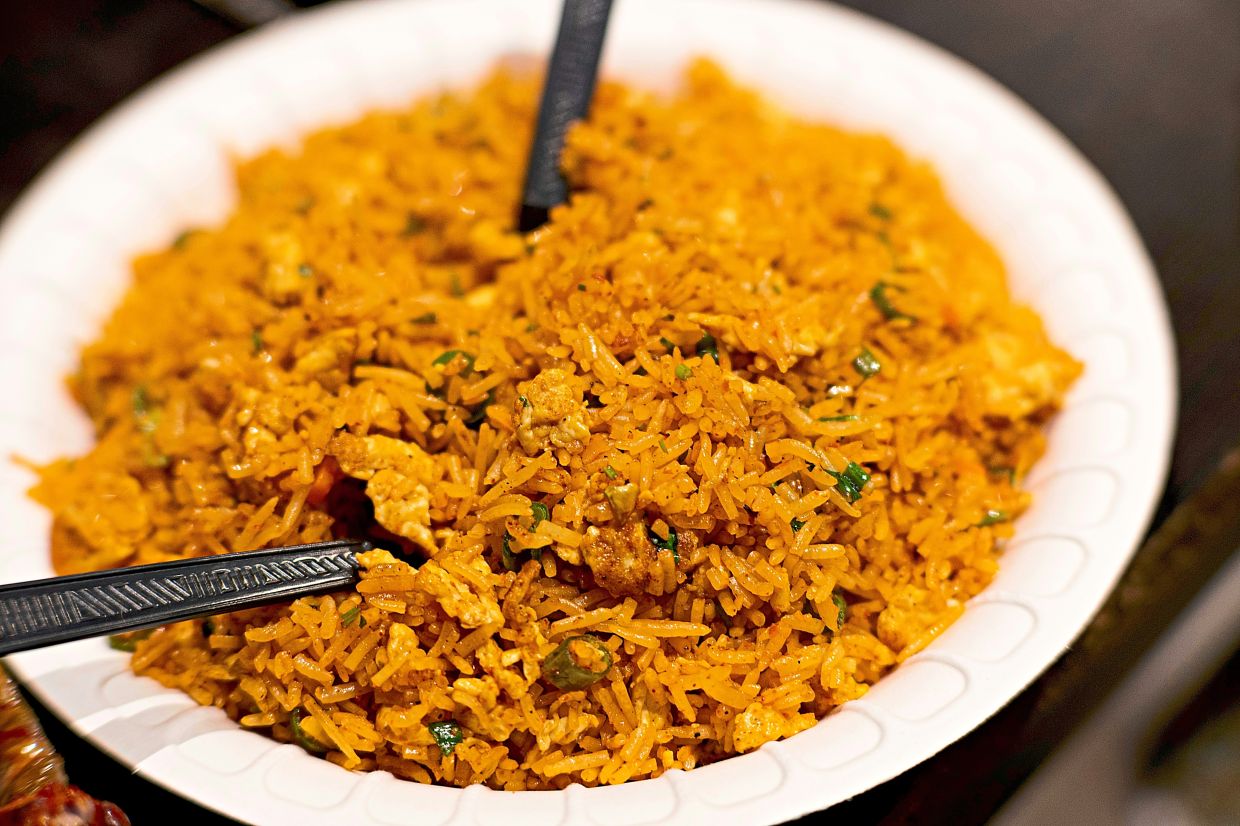
Even RTE meals sold at convenience stores or supermarkets abroad, which may not carry halal certification, may be consumed if no other options are present – as long as these do not contain any meat. Any food product made from meat that is not halal-certified remains prohibited as it most likely has not been slaughtered according to Islamic law, the website says.
For travellers who are bringing RTE meals, Nur Syafina cautions to be aware of other countries’ laws and regulations regarding bringing foreign food items across the border.
On her travels to places like Switzerland, France, Denmark and Italy, she’s so far had no issue passing through customs. She just makes sure that she’s read up on their rules on food, and to officially declare the items.
“Also, make sure that the ingredients listed are in English,” she advises. This makes it easier for customs officials to identify whether the food is permitted or not.
Airlines may also prohibit carrying certain RTE meals on board, particularly the self-heating ones. This is due to their chemical heating packs being classified as Class 4 dangerous goods, which are flammable solids that can combust easily under transport conditions, spontaneously heat up under normal transport conditions, and emit flammable gases when in contact with water.
That is definitely another aspect that travellers should look into before enthusiastically packing their whole “kitchen” into their luggage.