There was no guarantee Martina and Jeffrey, southern cassowary birds living at an Australian zoo, would hit it off.
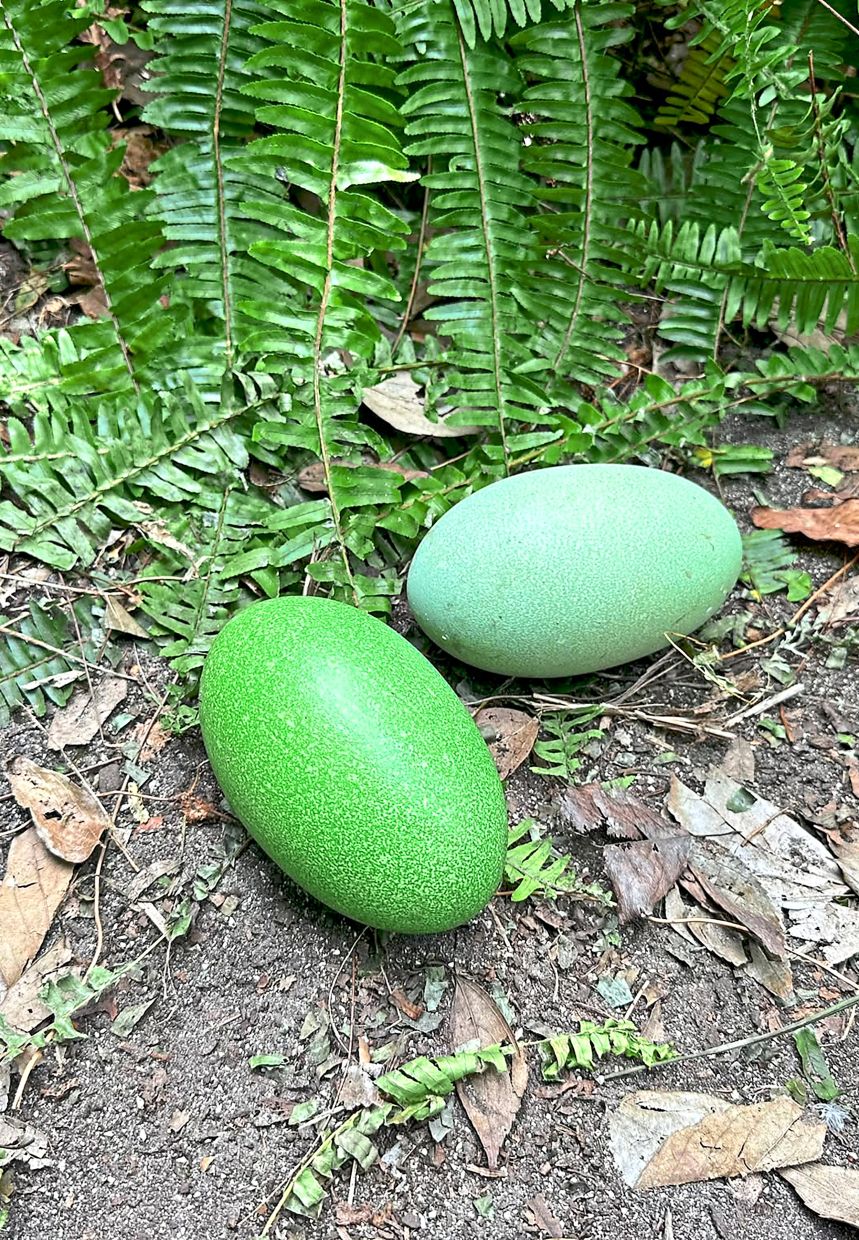
Staff members and visitors at the Adelaide Zoo are marvelling at the vivid proof of the successful breeding: Martina recently laid two fluorescent green eggs.
It’s the first cassowary egg at the zoo in 34 years. There have been fewer than 10 chicks in the last 10 years at Australia’s other zoos.
The birds, known as the most dangerous in the world, are a protected species. Just about 4,500 southern cassowaries remain in the wild in Australia, with their habitat under threat. Breeding them in a zoo requires a carefully managed conservation plan, which includes approval by a zoo association and observing the birds’ behaviour.
Complicating matters is that they’re solitary creatures.
Chad Crittle, the director of the Adelaide Zoo, likened the effort to breed Martina and Jeffrey to online dating, “where it might look like everything lines up really well. We like the same things and you might like the same food, but when you actually meet, it doesn’t always work and the same can be for animals in a zoo setting as part of these programmes.”
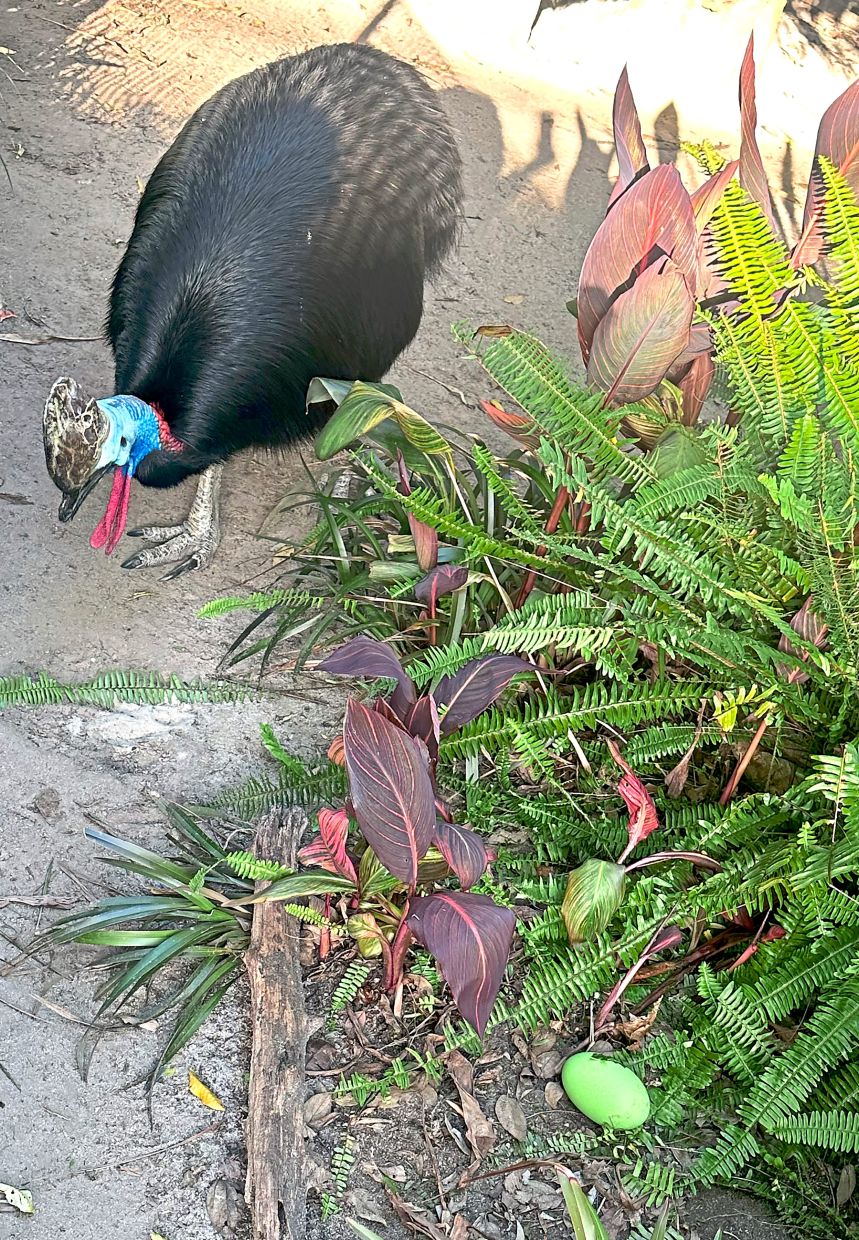
The birds, which are the heaviest in Australia, “can be dangerous if you put yourself in their space,” Crittle said, describing a large claw on its toe that the birds kick with. Martina’s last weigh-in: 166 pounds (75kg).
When handlers introduced them in September, Crittle said, “Jeffrey moved into action within about two minutes of meeting Martina.”
The first egg appeared in the middle of October, and the second followed the week after.
Crittle compared the egg’s hue to a lime-green highlighter. The colour is meant to protect the eggs in the rainforest, he said.
It’s not clear if any of the eggs are viable, but Crittle is excited about the eggs because of the tricky effort to breed the birds.
Once Martina is done laying eggs, it will be Jeffrey’s job to incubate them and rear any chicks. Incubation time is about 50 days, the zoo said.
Zoo staff members could try to take blood from the eggs to determine viability.
“But our preference at the moment is to be hands-off and let him have his first go at doing this so he can learn,” Crittle said.
Visitors to the southern Australia zoo can get a good look at the neon eggs because Martina “decided to lay the eggs right next to the front of her habitat,” Crittle said.
“Once he starts to sit, you won’t then be able to see the eggs until, fingers crossed, they hatch.” – ©2026 The New York Times Company