
“I will never forget spring mornings in Virginia,” chef Edna Lewis writes in her seminal 1976 cookbook, The Taste Of Country Cooking. About an hour east of the land that inspired those words, the season found author and historian Michael W. Twitty at his home, his hands in the tilled, weeded soil, tending to seeds and roots, for his inaugural Edna Lewis garden.
Here, he’s sown watermelon, greens, peanuts, white-fleshed sweet potatoes, red field peas, fish peppers, pole beans and chervil in anticipation of a warm spring and summer.
“It’s not the first time she’s on my mind while I’m planting,” he said of Lewis, whose work from the 1970s until her death in 2006 at age 89, informed generations of Black cooks.
Recently, Knopf, the book’s publisher, released a 50th anniversary edition of her The Taste Of Country Cooking, with a new design and a foreword by historian and author Toni Tipton-Martin. In the years since its release, it has become known as a pioneering American cookbook.
In it, Lewis – she hated the title “chef” – a champion of cooking seasonally and without waste, offered a correction for the convenience foods that had begun to take over the American diet in the 1970s. But among its seasonal menus and tips for choosing the best produce, it also acts as memoir and story of place.
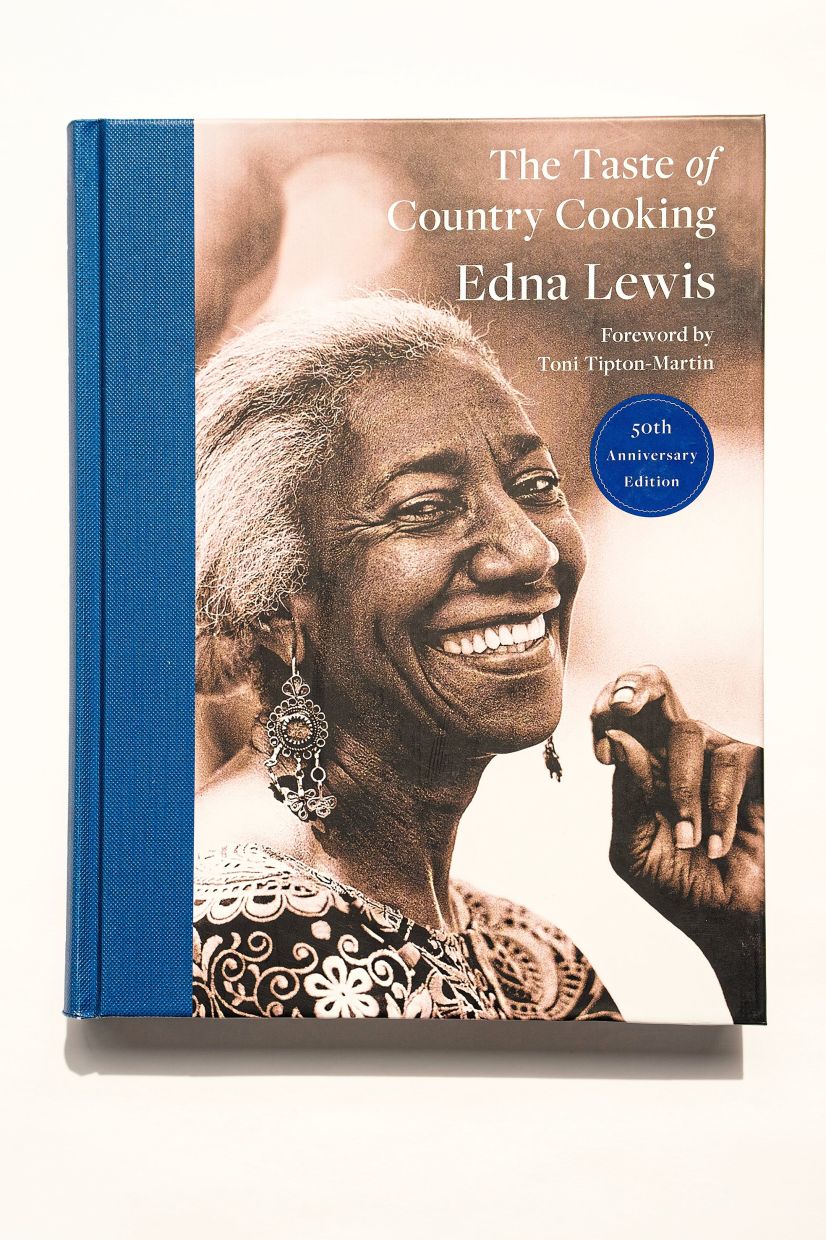
She presents a firsthand account of life in one of Virginia’s many Freetowns, communities established by formerly enslaved people in the middle of the 19th century, and highlights a specific period of American culinary history.
“Her writing is so beautiful, the recipes read kind of like bedtime stories,” said chef Leah Branch of the Roosevelt in nearby Richmond. “She teaches you to have an appreciation for the taste of things around you and what’s around you instead of showing off her technique, which she has in spades.”
In Lewis’ hands, salads are full of freshly picked greens; beans or fruit are cooked and served in cream, accentuating their freshness and pristine flavour; and all manner of pork, a central ingredient in western Virginia cooking, is used as both main dish and seasoning.
For Twitty, the book’s profoundness resides between the lines. Lewis, he said, reminds the reader that most of the agriculture, cooking and hospitality associated with the region and the broader South came from her enslaved African ancestors.
She captures what Twitty calls an “AfroVirginia”, where West African ingredients, like Guinea fowl and watermelon, occupy the same space as Indigenous American produce, like squash and sweet corn.
The book showed Martin Draluck, a chef and the founder of Black Pot Supper Club, a Los Angeles-based pop-up, that he could live and cook seasonally by embodying those same farm-to-table principles.
“It was clear that she was one of the first to put that connection to paper,” Draluck said.
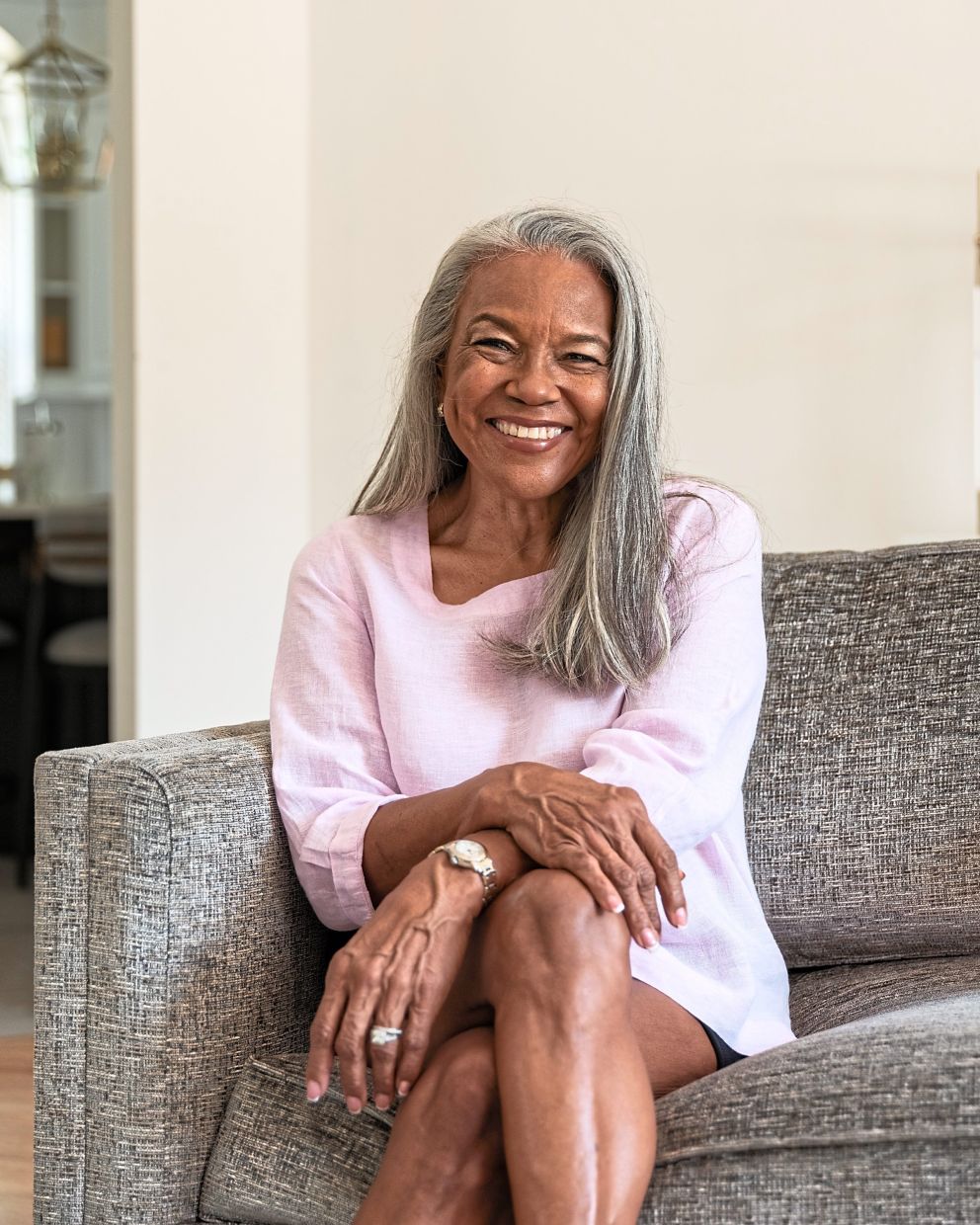
On a recent spring morning, lavender-coloured wisteria poured from tall trees like pastel waterfalls on the way to the former site of the Freetown in Orange County, Virginia. The community is now marked with a silver plaque, erected in 2024, that credits Lewis for generating “national interest in Southern cuisine and fresh, seasonal ingredients.”
“That was the first book that showed me how elegant Southern food could be,” said Debra Freeman, journalist and executive producer of Finding Edna Lewis, a public-television documentary series.
Lewis was born in 1916 to Eugene and Daisy Lewis, one of eight children. Her grandfather Chester Lewis, who had been formerly enslaved in a nearby town, began the community with other families, establishing a small school in his living room.
Memories of enslavement punctuate the stories Edna Lewis recalls from her grandfather and her grandmother. (In a particularly heartbreaking aside, her grandmother Lucindy Morton, a brick mason in enslavement, insisted on building a big house so she could always account for her children and grandchildren.)
But there was also freedom. Chester Lewis also helped found the Bethel Baptist Church in nearby Unionville, which plays a central role in Taste Of Country Cooking, as the site of many gatherings, like the Sunday Revival Dinner.
“There was real rejoicing: the fruits of our hard labour were now our own, we were free to come and go, and to gather together for this week of reunion and celebration,” Edna Lewis wrote of Sunday Revival meals.
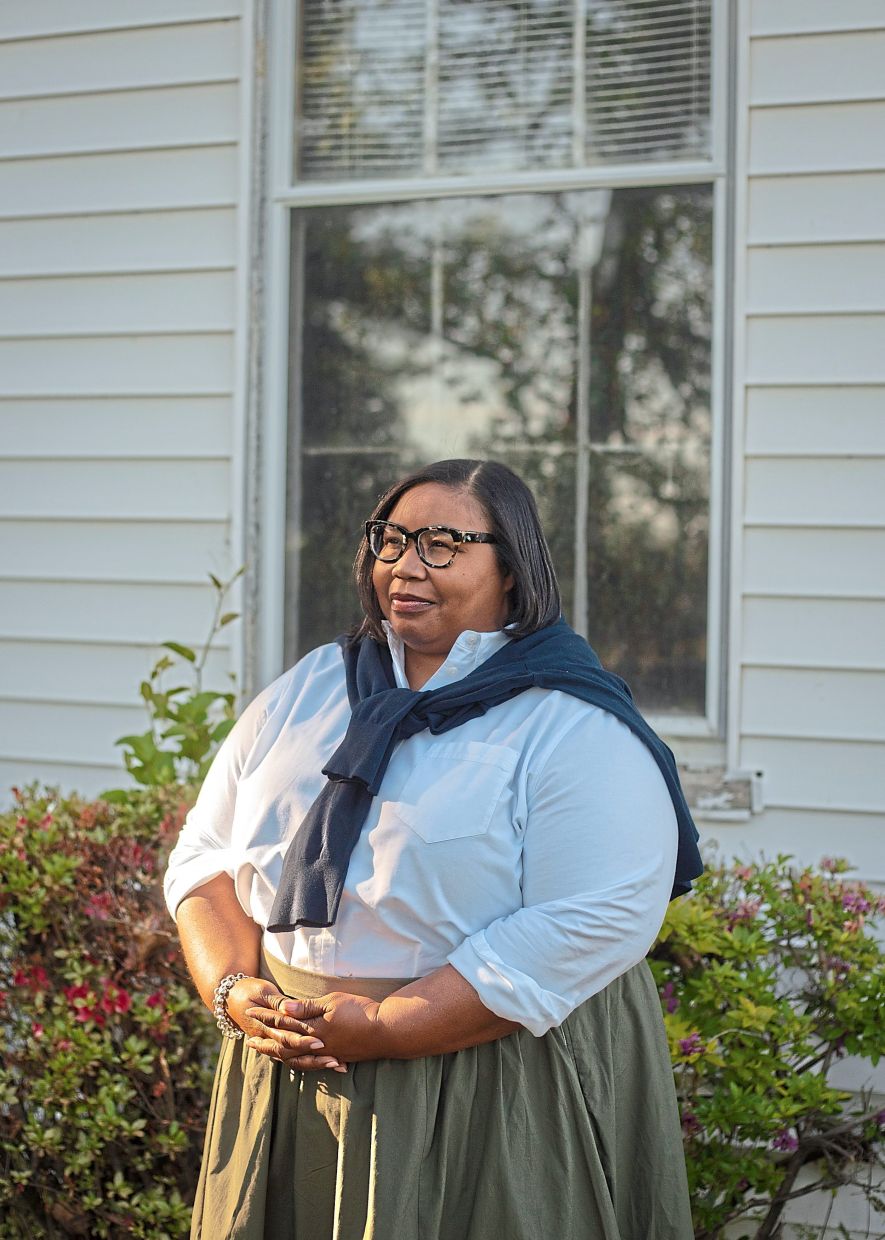
Attended by Freetown community members past and present, these mid-August dinners offered a chance to celebrate the end of a busy harvest to give thanks for the ability to get together over wooden tables topped with baked Virginia ham, spiced Seckel pears, pickled cucumbers, cakes and pies, in a larger event than weekly post-church meals.
Freeman said Lewis’ spotlight on these gatherings – and the community’s cooks – spoke to what makes Taste Of Country Cooking so special.
“There’s no ego in the book,” said Freeman, who recently attended a post-church lunch at Bethel Baptist.
At age 16, Lewis left Freetown for Washington, D.C., and eventually made her way to New York City, in time finding success as a seamstress.
In 1948, her friend Johnny Nicholson, the owner of Café Nicholson, asked her to be the restaurant’s chef.
While much has been made of the midcentury glitterati that dined there (Truman Capote, Gloria Vanderbilt, Eleanor Roosevelt), the real luxury was in the kitchen, where the spirit of Freetown informed the herbed roast chicken and soufflé (among other dishes).
In 1972, she would release The Edna Lewis Cookbook, written with Evangeline Peterson, but her second book would be more personal.
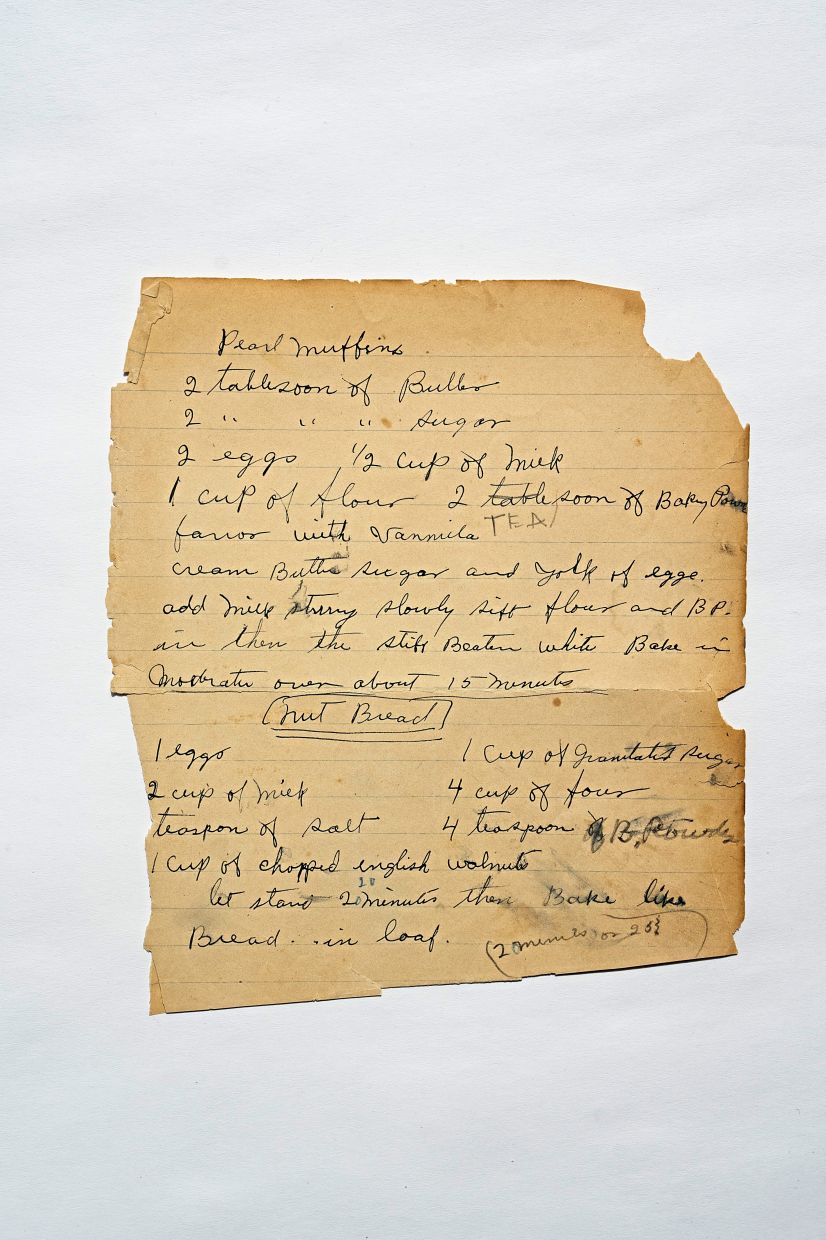
On yellow legal pads, she wrote recipes and recollections of the planting, harvesting, animal butchery and preserving in Freetown, calling her sisters and making annual pilgrimages to Virginia.
Her niece Nina Williams-Mbengue, just 12 years old at the time, typed up the pages and sent them to Judith Jones, the Knopf editor who commissioned the project.
The year The Taste Of Country Cooking was published, questions about identity, personal and national, swirled in the collective imagination.
America was celebrating its 200th birthday.
That August, author and journalist Tom Wolfe would declare the 1970s “The Me Decade,” and Alex Haley’s Roots would be released, recording his family’s journey from West Africa to America via the trans-Atlantic slave trade.
Although initial sales were unremarkable, the book has sold over 175,000 copies to date, according to a Knopf representative. That it remains in print 50 years on, even prompting a reissue, speaks to its legacy.
Reading The Taste Of Country Cooking when it was released, Tipton-Martin found a proud look at a community, its culinary skills and history. It felt different from how Black women in domestic work were and are typically portrayed, she said.
“She reclaims what was previously used to marginalise,” Tipton-Martin said, adding that it inspired her to continue to document that generational knowledge in her books The Jemima Code And Jubilee: Recipes From Two Centuries Of African American Cooking. Asked about Lewis’ Freetown, many chefs took on a softer, more impassioned tone: Their answers touched on feelings of safety and, ultimately, grief for a period in their lives that has passed.
In that way, metaphorical Freetowns have shown up in my own life: a small kitchen in Virginia Beach, where my grandmother cooked dinner for me and my cousins before her night shifts as a healthcare worker, her starched, all-white uniform barely creasing as she walked out of the door; a beach in St. Thomas, where my great-uncle watched a boiling pot of oil turn red snapper crispy while I swam in warm, salty water.
Lewis’ work (and The Taste Of Country Cooking) offers a refuge. She captures Black expertise, tastes and joy in dishes as simple as a busy day cake made as dinner finished up, because living on one’s own terms is worthy of celebration.
“At a time when our history is being removed, a written record is evidence of a lived history,” Tipton-Martin said, “it’s never too late to tell the truth.” – © 2026 The New York Times Company