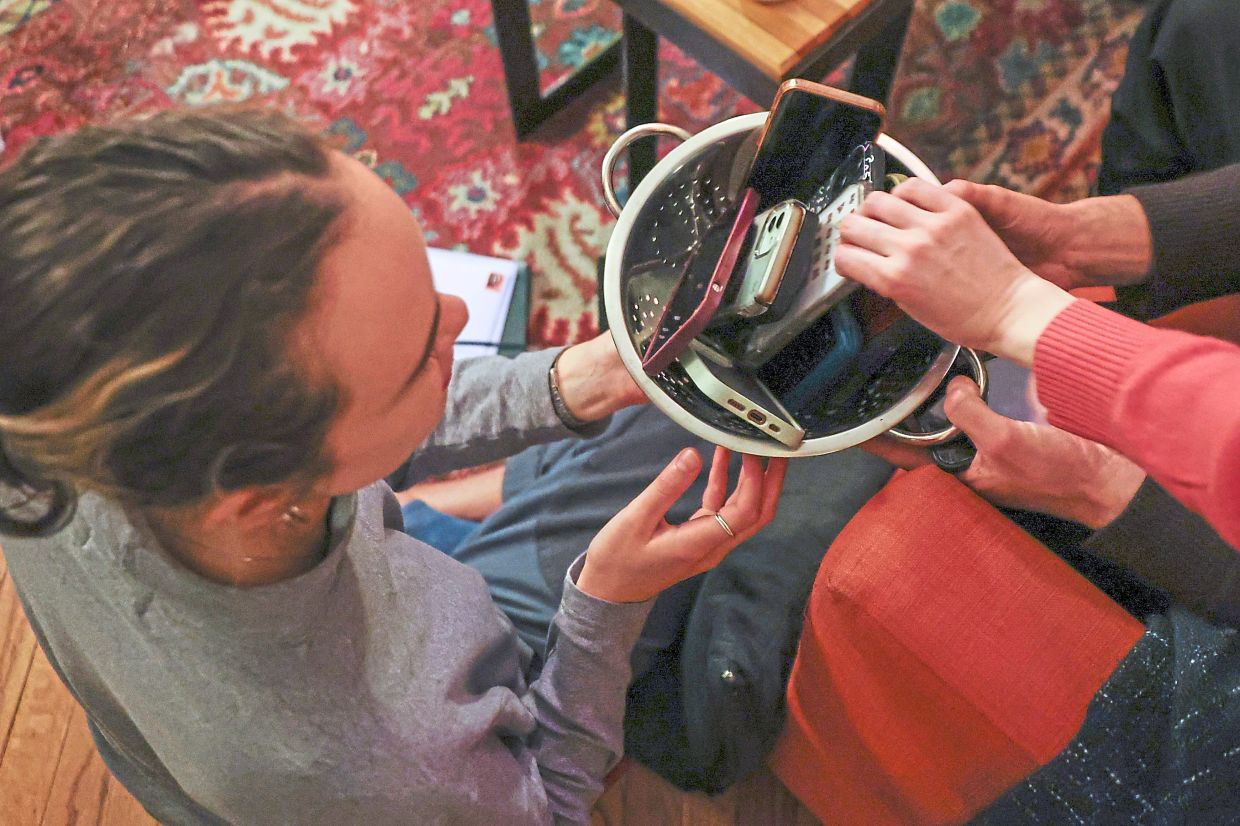
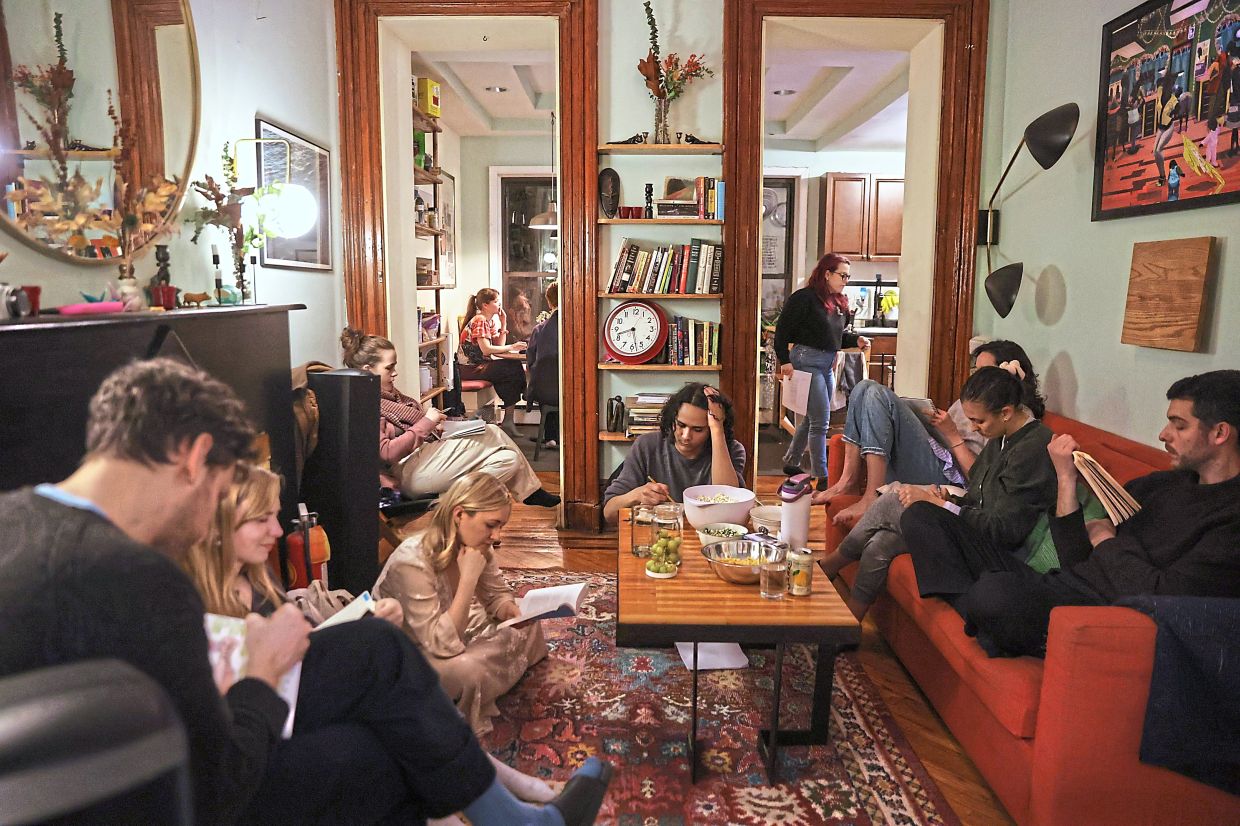
More than a dozen millennials gathered in a brownstone apartment in Brooklyn, New York, the United States and placed their phones in a metal colander before two hours of reading, drawing and conversation – anything but staring at screens.
A similar scene played out a few miles away, in an early 20th-century cardboard box factory turned high-end office space. Nearly 20 people in their 30s stared at their cellphones for a few minutes. Then they set them down and looked at their bared palms for a while. Then those of their neighbours.
The exercise was meant to drive home the importance of paying attention to real life, not the gleaming little screens that have taken over our world.
Two decades after Steve Jobs premiered the iPhone, a small but passionate movement – with offshoots in several countries – is rebelling against the omnipresent screen.
"The products have become more insidious and more extractive, exploitative,” said Dan Fox, 38, who hosted the house gathering. Members of the nascent movement "want to start a revolution”, he said.
But cultural changes start small, and the rebellion is growing against what many call "human fracking”.
Apple and other Big Tech firms say they've taken steps to help users reduce time spent on their devices, including features that track usage and a less enticing grey mode.
Activists say it's not enough.
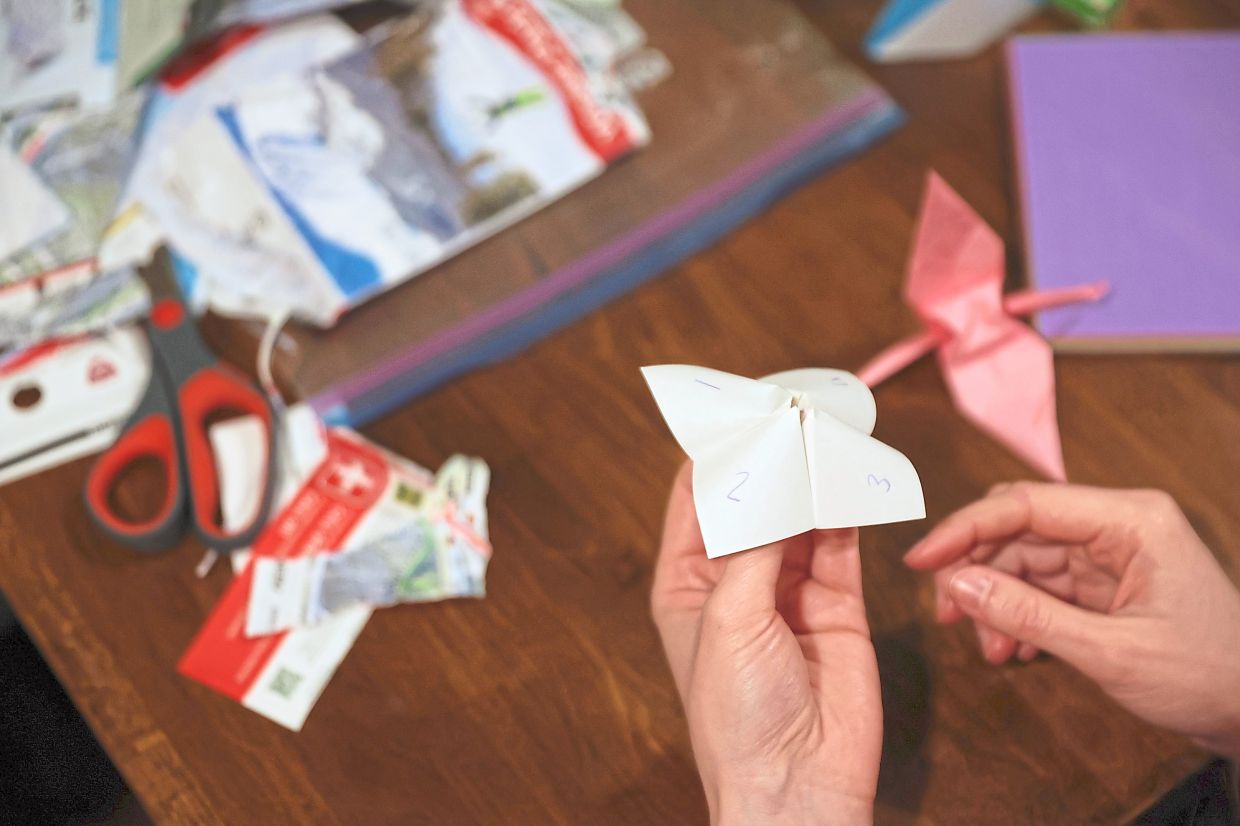
"They want to take down Big Tech,” says Fox, a stand-up comedian who works in marketing for Brooklyn-based Light Phone, one of several "dumb phones” with only basic functionality.
Unlike most modern products, the company boasts of its phones’ lack of features, like "social media, clickbait news, email, an Internet browser, or any other anxiety-inducing infinite feed”.
Fox was inspired to join the movement when he attended a 2015 Tame Impala concert at Radio City Music Hall. It felt as if everyone in the audience was filming the concert on their phones instead of immersing themselves in the music.
"I realised the phones are literally getting in the way of the things I love,” Fox said.
Mobile Internet access has so thoroughly permeated modern life that one of the few places in the world where it’s not readily available is wartime Iran, where authorities shut down the Internet during mass protests in January.
D. Graham Burnett is a historian of science at Princeton University and one of the authors of Attensity! A Manifesto Of The Attention Liberation Movement, making him a pillar of the growing backlash against the corporate harvesting of human attention.
Along with MS NOW host Chris Hayes’ bestselling The Sirens’ Call: How Attention Became The World’s Most Endangered Resource, his work is part of a growing body of literature calling for people to move away from screens and pay attention to life.
Burnett says the "attention liberation movement” is about throwing off the yoke of time-sucking apps. People "need to rewild their attention. Their attention is the fullness of their relationship to the world”.
The people in Fox's living room started the evening by introducing themselves, as if at a support group.
He arrived with a backpack full of books – the paper kind.
Across the Atlantic Ocean in the Netherlands, people filed into a neo-Gothic cathedral late March for a meeting of the Offline Club.
There are several dozen "attention activism” groups across the United States and Canada, and the movement has also cropped up in Spain, Italy, Croatia, France and England. Burnett said he expects it to spread further.
Members of Oberlin College's Harkness Housing and Dining Co-op decided to run their organisation without emails and spreadsheets in January, expanding to a ban on technology in the shared spaces of the 1950s brick building.
"People expressed a feeling of relief about not needing to be checking their emails, or checking their texts or checking the news. That allowed us to spend a lot of time just talking to each other,” said junior Ozzie Frazier, 21.
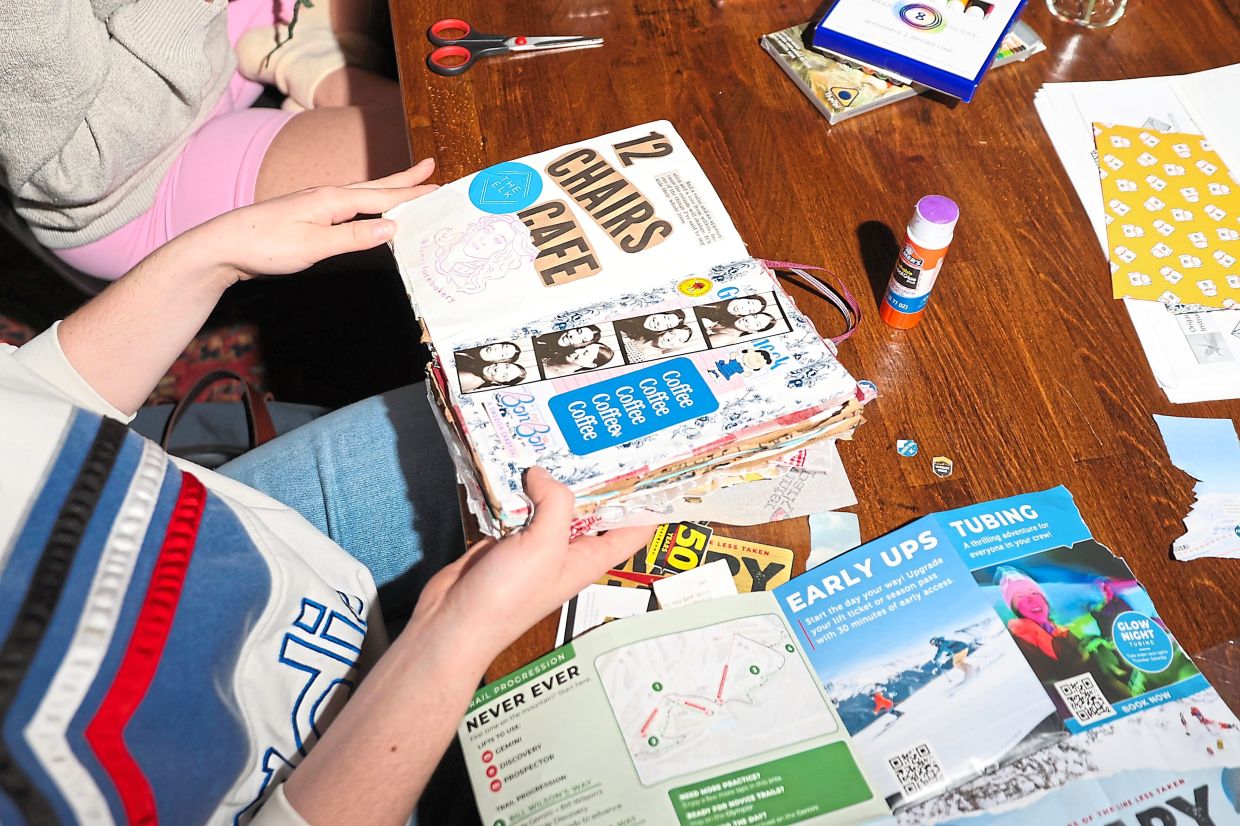
During the month-long co-op project, Frazier said, people started checking out CD’s from the library, and enjoying arts and crafts nights, live music and the board game Bananagrams.
"A lot of people felt very connected to each other. Not having the devices gave them some kind of mental space,” Frazier said.
Wilhelm Tupy read Attensity after stumbling across it at a Vienna bookstore and visited the School of Radical Attention in Brooklyn’s Dumbo neighbourhood on a trip in March.
He felt he had found something that united his sporting career as a judo champion – with its need for focused "flow” – and his post-retirement work as a business consultant.
"Discipline is not enough nowadays,” he said. "It’s becoming more and more difficult to keep the attention and to keep the focus on goals and whatever you want to achieve and want to do.” – AP