Most Malaysian Chinese citizens in modern-day Malaysia trace their ancestral roots to 19th- and 20th-century migrants who arrived from mostly southern China provinces like Fujian and Guangdong with dreams of better lives. This influx was driven by British policies and colonial demand for an enhanced labour workforce to drive the country’s growing tin mine and plantation industries.
In every facet of their lives, Chinese arrivals were quick to come up with creative new solutions and ideas, including adapting what they cooked with what was available in Malaysia, reflecting how deeply intertwined Malaysian produce and predilections became with local interpretations of Chinese cuisine. As a result, innovative new dishes were crafted – recipes that now belong exclusively to the Malaysian Chinese culinary canon.
Here are a few dishes that have attained popularity since they were first introduced.
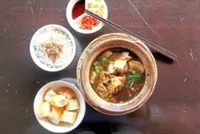
Bak kut teh
Like most dishes crafted in the late 19th century and early 20th century, bak kut teh’s roots are murky and tethered around far more questions than answers.
But the simplest origin story denoted to it is that it was devised by dock workers pulling long, interminable hours in Klang, Selangor. The workers were largely Hokkiens from the Fujian province who sourced scraps of herbs like star anise and cinnamon bark left in storerooms alongside more traditional Chinese medicinal herbs like Chinese angelica and dang gui (ginseng) from streetside vendors combined with pork bones from local butchers or an abattoir in Klang that sold them on the cheap. Pooling these two key components together, they devised a healing, medicinal tonic enhanced with dark soy sauce.
“The story is that this broth helped them keep warm and gave them energy to work long, gruelling hours,” says Yeoh Zong Xian, the second-generation owner behind Klang’s famed Yeoh’s Bak Kut Teh.
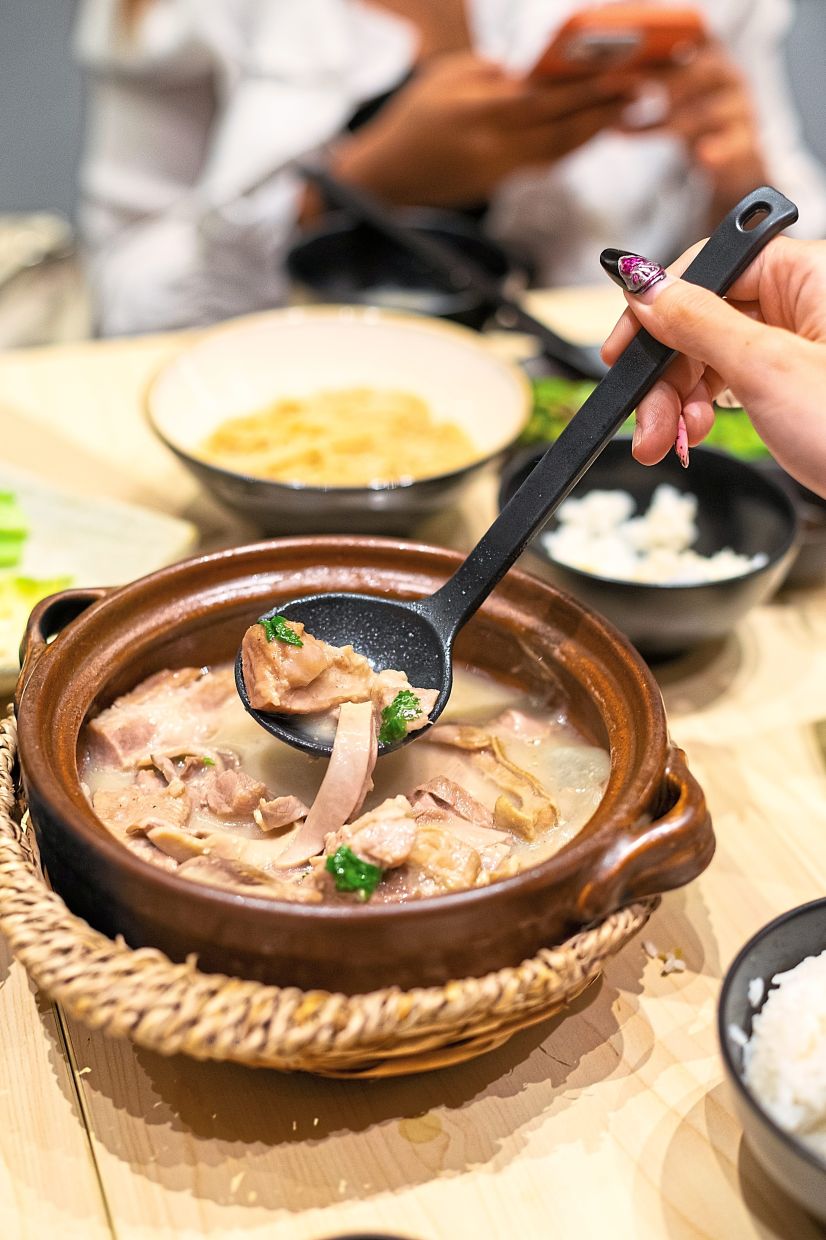
The earliest known bak kut teh restaurant was opened in Klang in 1941 by Lee Boon Teh, who is said to have lent the ‘Teh’ part of his name to ‘bak kut teh’, although this assertion remains unproven as the fledgling edition of bak kut teh was likely created long before 1941.
Since those foundling years, bak kut teh has evolved – while it once only contained pork bones, these days, modern iterations include more prized porcine parts like pork belly and pork ribs as well as poultry editions and pimped-up seafood variations as well.
A few years ago, the Klang Chamber of Commerce and Industry filed an application for a geographical indication for Klang bak kut teh with the government agency MyIPO (which protects intellectual property rights), which was granted.
In order to meet the geographical indication, Klang bak kut teh must now use pork, incorporate garlic and contain pepper, Angelica root and cinnamon in its herb configuration.
In 2024, bak kut teh was officially recognised as a national heritage dish and its repute and popularity continue to grow.
“Bak kut teh could well be nearly 100 years old, but bak kut teh shops keep opening – even though prices for pork, herbs and labour have shot up dramatically. I think it has endured because it represents comfort food for many Malaysian Chinese,” says Yeoh.
Sang har mee
Sang har mee is another one of those quintessential Malaysian Chinese dishes whose true creator is a bit of an enigma, although there are suppositions in place about the restaurants that started popularising it first.
While it is indubitably a dish that was crafted in the Klang Valley, its formation is unclear. The dish is sometimes credited to a restaurant called Sang Kee in KL’s Jalan Yap Ah Loy, which seems to have been serving sang har mee since 1955.
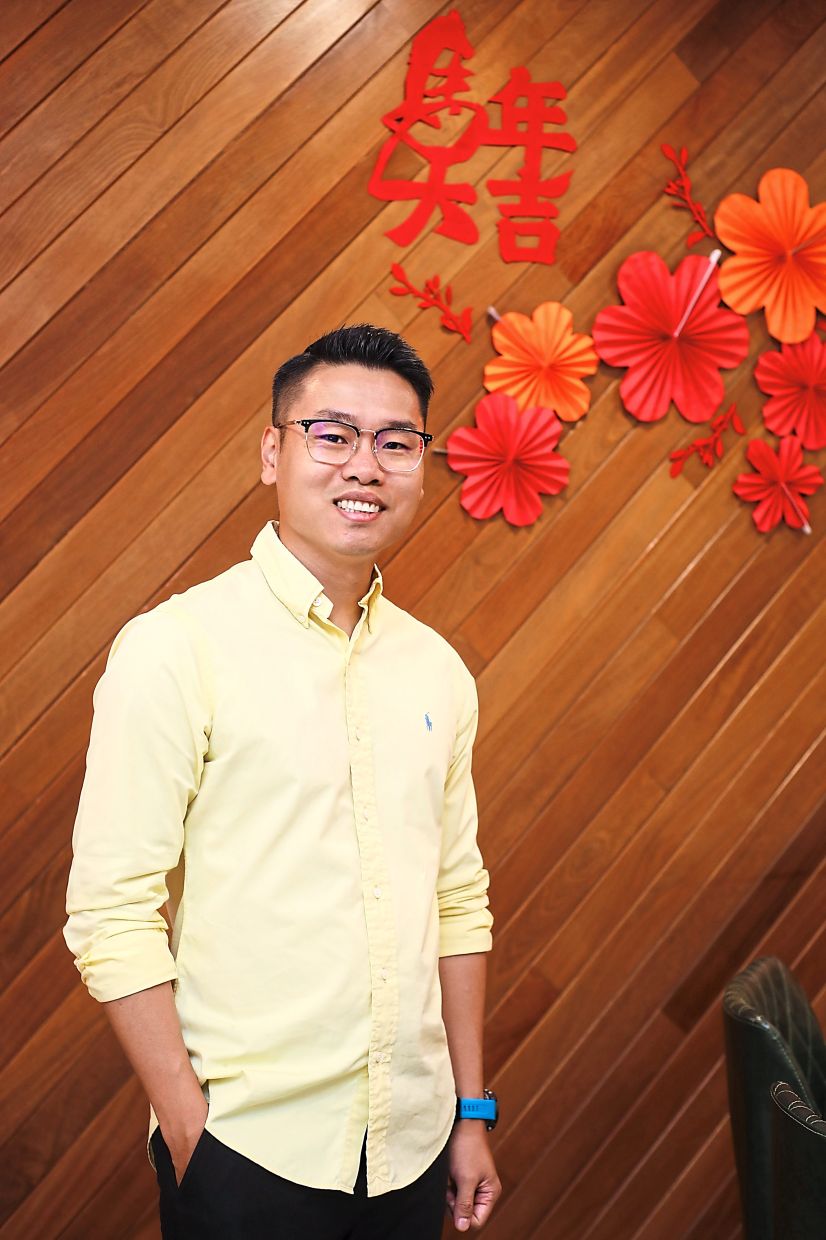
Tan Jay Wvin runs the famed Green View Restaurant in Petaling Jaya, probably the most famous Chinese restaurant in the Klang Valley for sang har mee.
Although Tan is clear that Green View is not the originator of sang har mee, he has a working theory as to how the dish likely arose.
“If you look at the overall Chinese restaurant market, Cantonese cooking is dominant. So if I were to break down this dish – the cooking method is actually like what you have in a dish called wat tan hor (rice noodles laced in a thick egg-based gravy).
“So I think that is the base of this dish, but maybe because Malaysia is rich in freshwater prawns, so rather than putting a small prawn, someone decided to use freshwater prawns to make it more lavish and they might have found that it complemented the broth even more. So maybe this was an idea from past chefs to have this kind of combination in the dish,” says Tan.
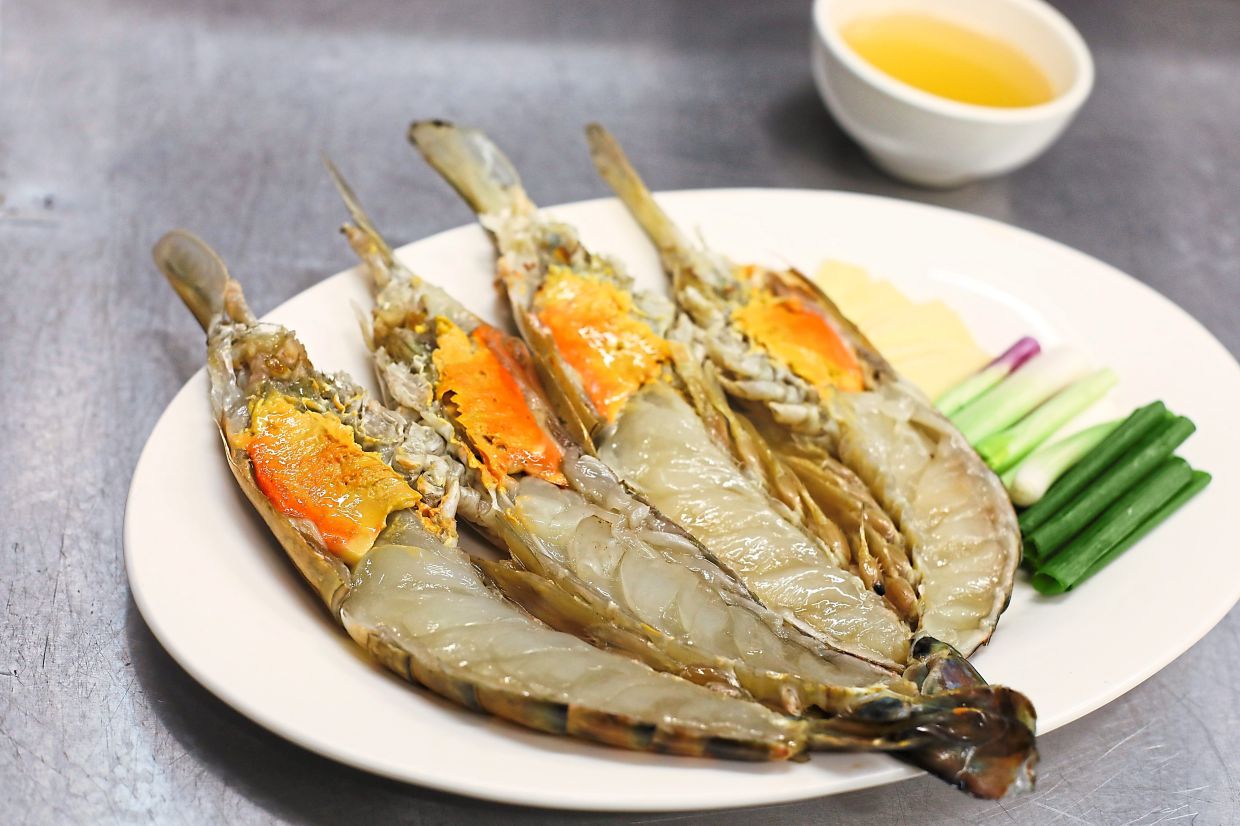
Tan’s theory is also supported by data that shows that Malaysia was a pioneer in freshwater prawn (udang galah) breeding in the late 1950s. Perhaps the wide availability of these prawns spurred the development of a brand new dish.
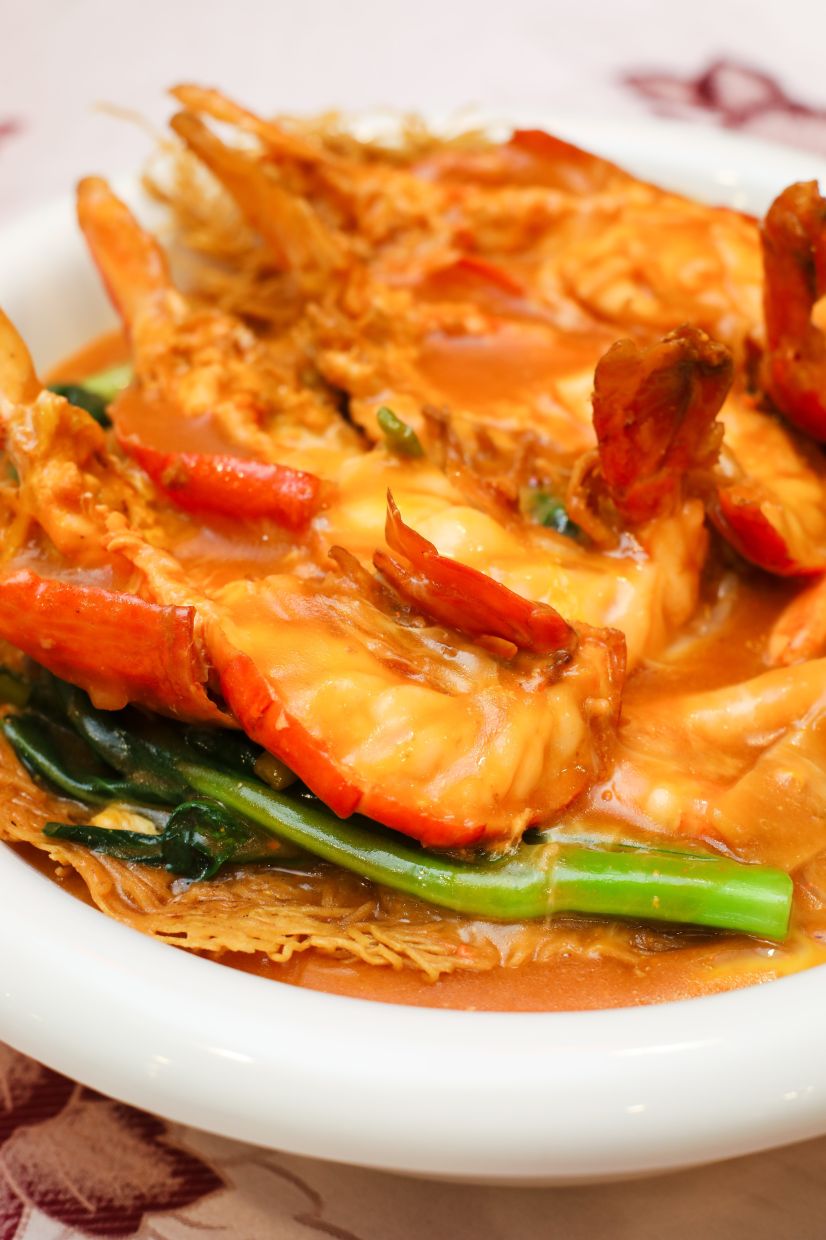
So what is sang har mee? Sang har mee is essentially fried noodles laced in a thick, viscous, gravy boosted by chicken broth that is topped with a single, signature feature – giant freshwater prawns filled with roe. It is the roe that lends sang har mee its irrevocably creamy, aquatic underpinnings.
“The unique aspect of this dish is that the entire head of the freshwater prawn is filled with roe – not a little bit but the whole head. And it has a very nice aroma and it gives the noodle dish a nice umami, seafood flavour,” says Tan.
When done well, sang har mee is glorious. At Green View, the famed sang har mee features crisp noodles doused in a gravy that has rich umami notes that are strengthened by fat, fluffy prawns enriched with so much roe that it spills over into the stock as well, engendering a seafood odyssey unlike any other.
Yee sang
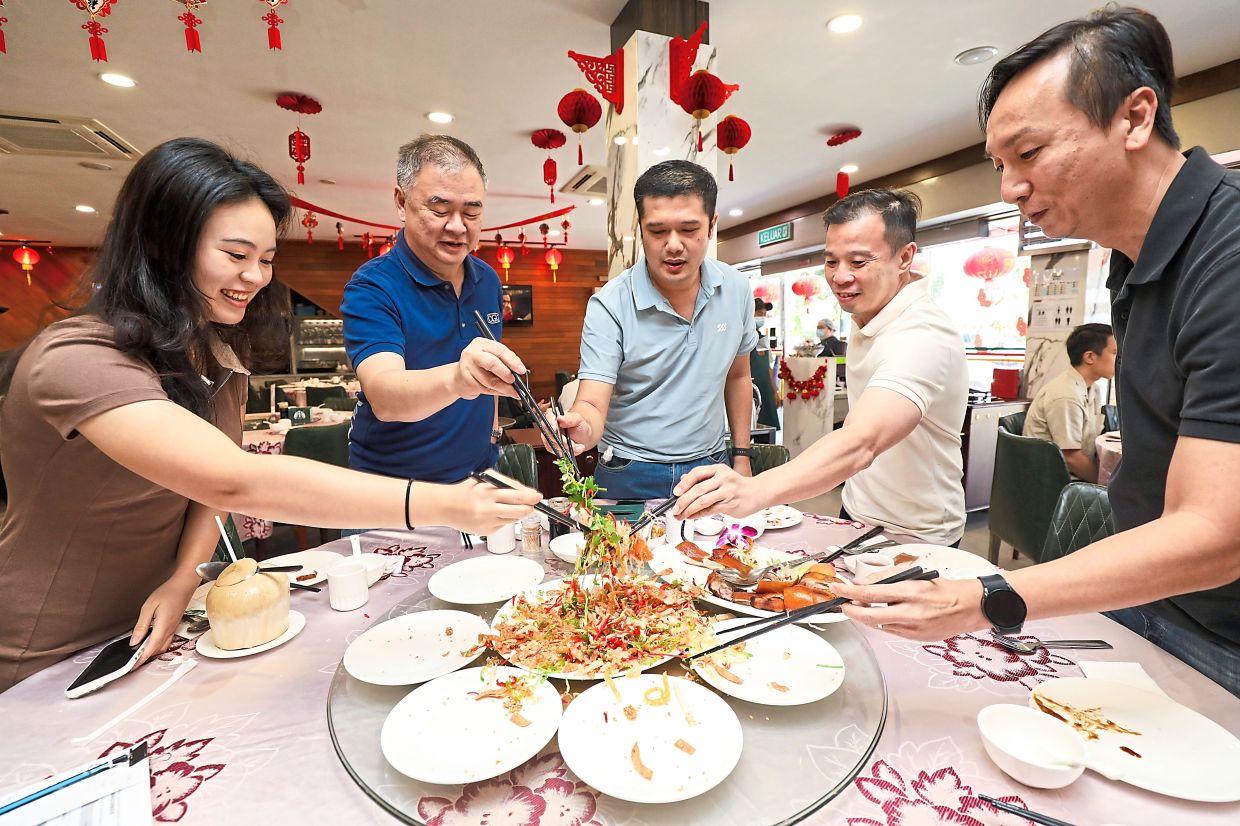
Long the subject of intense debate and speculation, yee sang is a raw fish dish enhanced with various other condiments and toppings, with oil and plum sauce typically poured over it. It is a must-have during Chinese New Year in Malaysia and the ritual of tossing yee sang high into the air (called ‘lo hei’) with chopsticks and uttering wishes and good intentions for the year has permeated the social fabric of the country, with many non-Chinese denizens also actively engaging in the practice during the festive season.
So who created yee sang? This is hard to certify or ascertain, but one contender has emerged supreme.
The culture of eating raw fish dishes is thought to have been brought to Malaysia by Chinese migrants from the Guangdong province, who probably started out making it to remind them of home.
Eventually someone named Loke Ching Fatt is thought to have crafted yee sang in the 1940s when he opened a restaurant in Seremban called Loke Ching Kee. With business in the post-war years slow, Loke was said to have designed a dish with raw fish at its heart as well as 30 other ingredients and a plum sauce, although when exactly this was created is a question mark.
In the 1950s, people in Seremban were regularly dining at his restaurant and eating yee sang, according to the book A Toss Of Yee Sang, written by his grandson. The original restaurant has since closed.
One of the oldest surviving restaurants to start serving yee sang is the Kuala Lumpur Chinese restaurant Sek Yuen, which has been a KL culinary bastion since the 1940s. Sek Yuen began serving yee sang in the 1950s, although second-generation owner Phang Yew Kee says neighbouring restaurants in Kuala Lumpur were already serving the dish at the time.
“We started the restaurant at the current address in 1948 and from then until the mid-1950s, we didn’t serve yee sang. In the 1940s and 1950s, our business was getting very good, but during CNY, our business suffered because neighbouring restaurants in KL that were older than us were already serving yee sang at some point in either the late 1940s or 1950s.
“This is a story that our forefathers told us. So we are not the first restaurant to serve yee sang, but we were one of the earliest to start serving it in the 1950s,” says Phang.
Phang thinks the sour components in yee sang, like lime juice, are possibly influenced by northern Malaysian states’ Thai-inspired salads (or potentially kerabu), as, according to him, southern Chinese cuisine rarely has a sourish element to it.
A typical yee sang has a few components to ensure a fruitful CNY. These include raw fish for abundance, shredded vegetables to signify growth, oil, lime juice and plum sauce for a smooth year ahead and crackers shaped like ingots to represent wealth or gold.
Yee sang is now a national heritage dish, as gazetted by the Department of National Heritage in 2019.
Chilli pan mee
Chilli pan mee is an offshoot of the famed pan mee so popular in Malaysia, China, Singapore and Taiwan.
Pan mee is typically a soup-based noodle dish made out of anchovy stock and enhanced with hand-torn noodles, spinach leaves, minced meat, shiitake mushrooms and fried anchovies to round it off. In Malaysia, the dish was probably introduced by Chinese migrants from the Hakka community.
But in 1985, one man took a leap in a different direction after feeling like the noodle dish could do with more flavour.
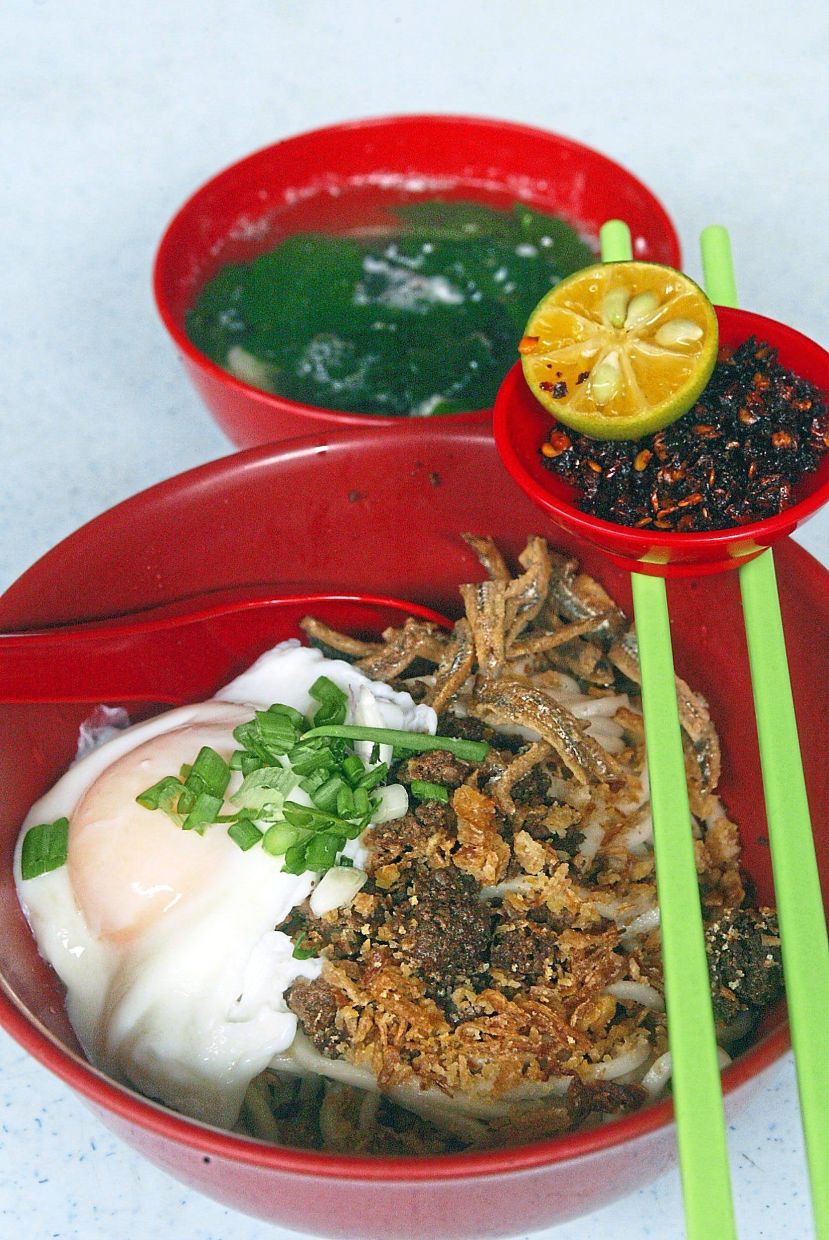
Tan Kok Hong, the owner of Chow Kit’s famed Kin Kin Pan Mee, introduced a dry version of pan mee which made use of thinner noodles imbued with a dried chilli paste inspired by Hong Kong chilli oil, crispy fried anchovies, minced meat and a soft boiled egg to add a velvety sheen and smoothness to the dish.
It was an instant, fiery hit and these days, many other restaurants have been inspired to add it to their repertoire, including speciality restaurants like Super Kitchen Chilli Pan Mee.
“When you add the chilli, the taste becomes more special. No one was doing it at that time,” said the now 81-year-old Tan in a 2025 interview with Channel News Asia.
Hokkien mee
In Kuala Lumpur, inky black Hokkien mee – distinct from Penang’s prawn-based Hokkien mee – is nothing short of a supper institution.
The dish is said to have been created by an enterprising Hokkien migrant named Ong Kim Lian, who arrived in then-Malaya from the Fujian province in China in the 1920s. To support himself during lean times, Ong began making and selling a noodle soup with the fat noodles popular among Hokkiens during Chinese New Year.
Over time, with customers dwindling, he began experimenting and used the same noodles to develop a recipe that made use of dark soy sauce and a braising liquid made from pork bones and dried fish. The resulting shimmering midnight glory was packed with plump, long noodles, pork slices, prawns and cabbage and topped with pork lard. The noodles were served alongside a spicy sambal, pungent with belacan and chillies. The secret to the noodles’s smoky aroma and flavour profile is that Ong cooked it over a charcoal stove, giving it that distinctive ‘wok hei’ that instantly set it apart.
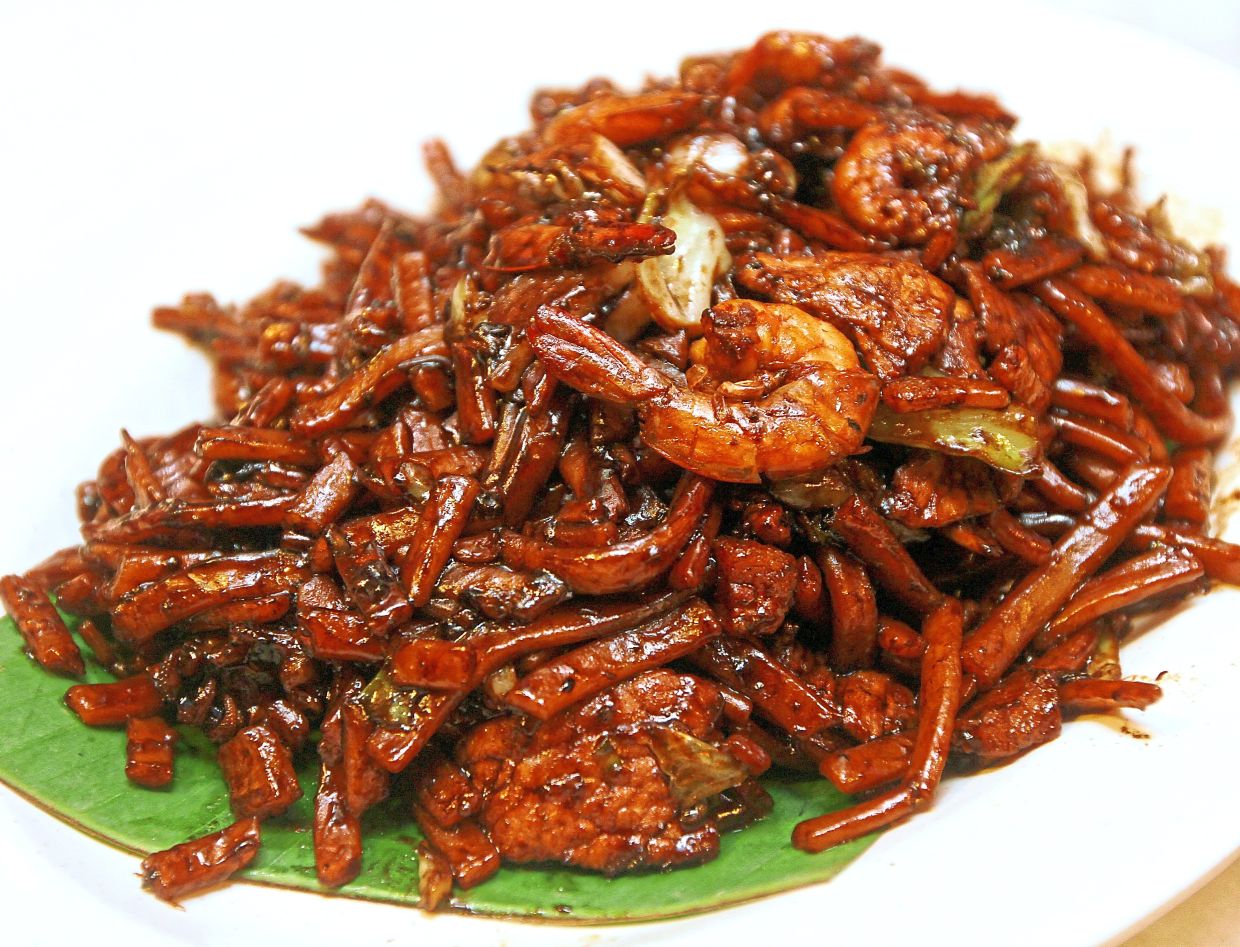
Ong is thought to have created the KL-style Hokkien mee at his stall Kim Lian Kee in Kuala Lumpur in 1927, which means the noodles will officially be 100 years old next year. Although Ong has since passed on, the original tin-roofed shack in KL’s Chinatown area is still there. The stall is run by third-generation owner Lee Heng Chuan and his son Dato’ Henry Lee.
Since those early days, Ong’s recipe has been duplicated across restaurants in KL and is a mainstay on the menus of many Chinese restaurants in the city, with eateries like the famed Damansara Uptown Hokkien Mee focused entirely on this distinctive noodle dish.
Char kway teow
Proudly birthed in Penang, char kway teow is thought to have been crafted by the Teochew community who settled in Malaysia in the 19th century and made a version of the dish from Chaosan, China, that was essentially rice noodles, pork and chives.
Many of the earliest char kway teow hawkers were fishermen and cockle-sellers who sold these dishes in the night. Because of Penang’s proximity to waterways, prawns and cockles became a fixture on the plate as well. The dish was targeted as an inexpensive, high-carb, high-fat meal for labourers looking for sustenance after a hard day’s work.
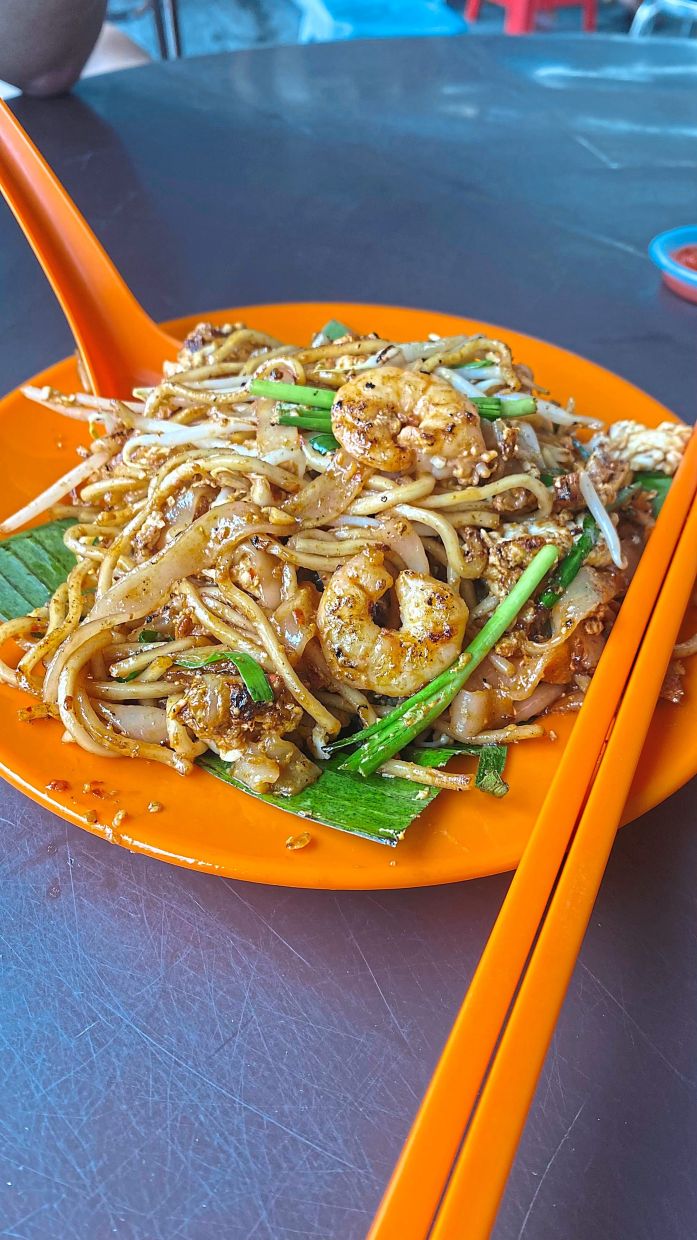
So what is char kway teow? The dish is distinctive in that it is made up of rice noodles (hor fun), bean sprouts, spring onions, prawns, cockles and sometimes lap cheong (Chinese waxed sausage) with a duck egg stirred in too. The Malaysian iterations took shape when the dish was fried over intense heat astride a charcoal fire to attain that elusive ‘wok hei’ or ‘essence of the fire’ and to it, chilli paste, soy sauce and garlic were added.
The resulting dish is a glorious convergence of fire, heat, spice and local produce all colluding to provide a hot flavour bomb on a plate.
Char kway teow is also now a gazetted national heritage dish, a title accorded by Malaysia’s Department of National Heritage.
Kam heong (cooking style)
Perhaps the most demonstrable Malaysian Chinese dish to showcase love for the nation and the influence other communities have had on Chinese cooking styles is kam heong.
Essentially a style of cooking widely used in Chinese restaurants throughout the country, kam heong was likely devised by Chinese immigrants in Malaysia in the late 19th century or early 20th century, although its exact origins are completely unknown.
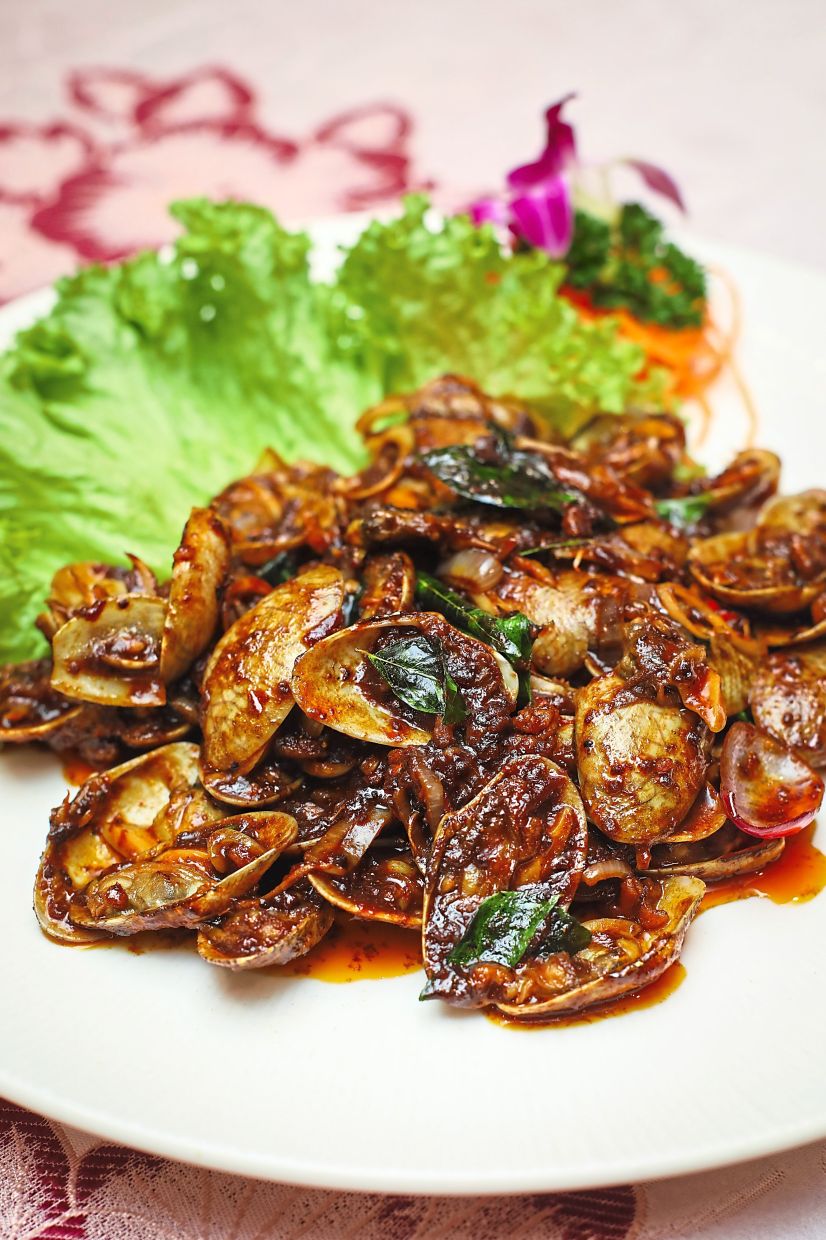
In Cantonese, ‘kam heong’ means “golden fragrance” and the recipe is versatile in that it can be utilised to incorporate multiple proteins, from chicken to clams, prawns, crabs and squid, to name a few.
The core ingredients in kam heong are what make it stand out as uniquely Malaysian Chinese – the dish incorporates Indian ingredients like curry powder and curry leaves, Malay staples like lemongrass and bunga kantan (torch ginger bud), as well as dried shrimp, shallots, garlic, cili padi and ubiquitous Chinese sauces like oyster sauce and soy sauce.
The resulting dish packs quite a punch and is potent, feisty and robust – essentially the soul of Malaysia in a dish.