When 12-year-old Rajendra Vharma walks through the gates of the equine therapy centre, his eyes instantly light up.
The sight beyond the gate is intimately familiar to him. The centre’s paddocks have been his playground for almost five years, while the horses and staff have become his trusted playmates.
“This is one of his most favourite places,” says his father, Mohanan Perumal, a 60-year-old company director. “The other is his school.”
Though visibly excited, Vharma – as his family calls him – knows he must wait his turn.
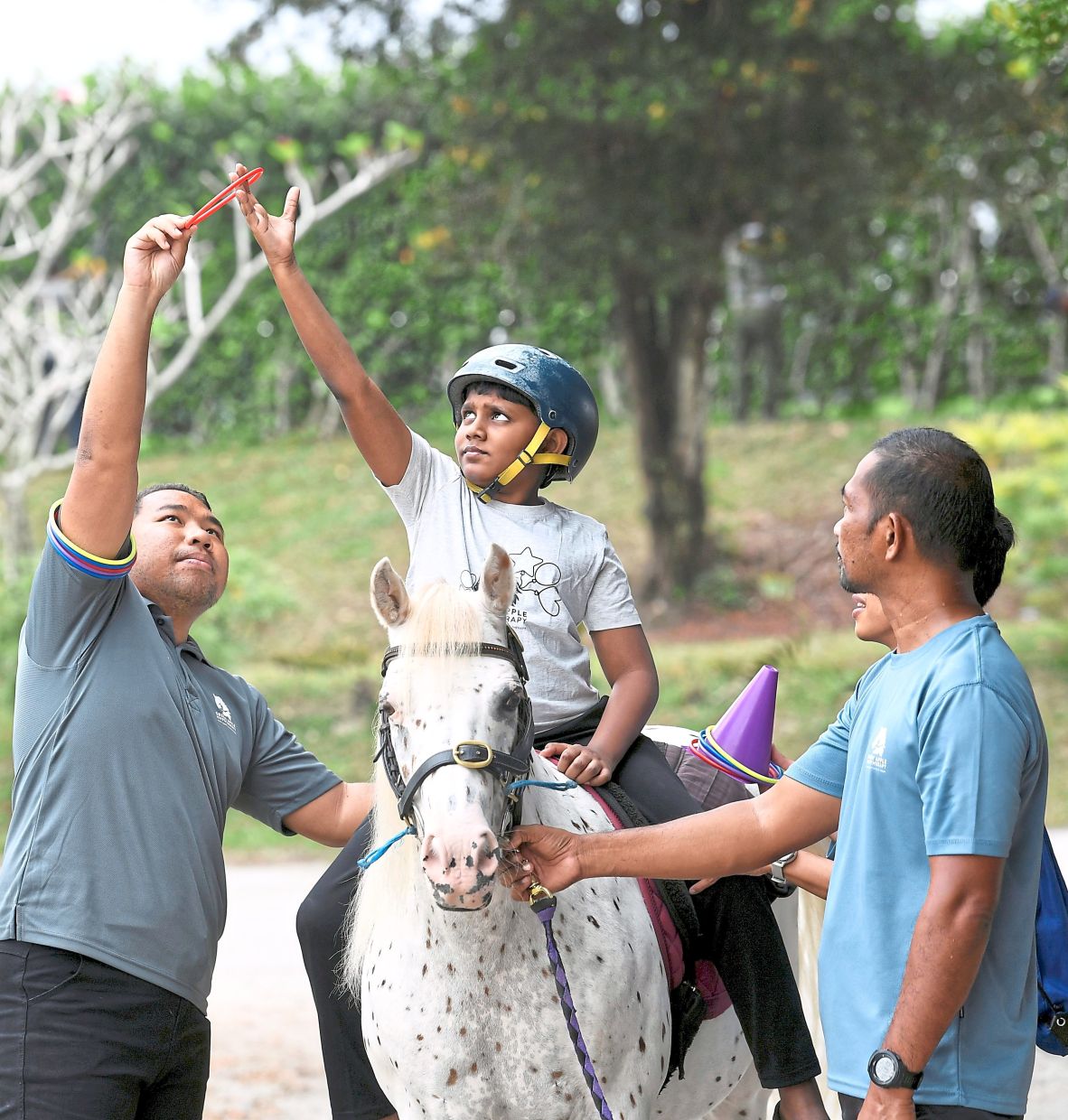
When it comes, he confidently climbs the mounting steps and pulls himself onto a horse that waits quietly for him.
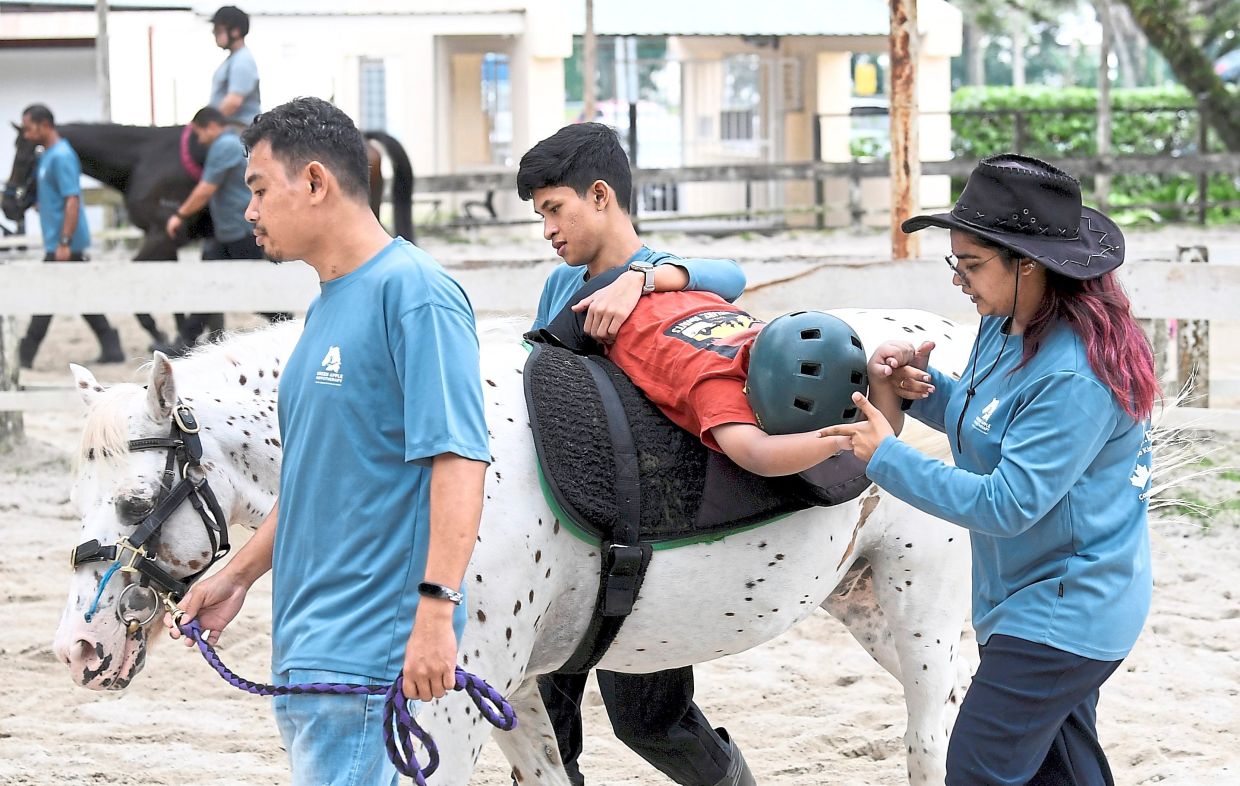
Sitting tall atop the animal, Vharma is led by a handler into a vacant paddock, while two staff walk closely on either side.
To a casual onlooker, this looks like a safe, child-friendly horse ride. But to his father, it is a sight that was once deemed impossible.
“I would say it is beautiful,” Mohanan says, his voice thick with pride. “Seeing him like a king riding a horse ... it feels like everything is normal.”
For Mohanan, “normal” is a hard-won victory for his only child, who lives with Autism Spectrum Disorder (ASD).
Before beginning equine therapy – or hippotherapy – Mohanan says his son’s world was smaller.
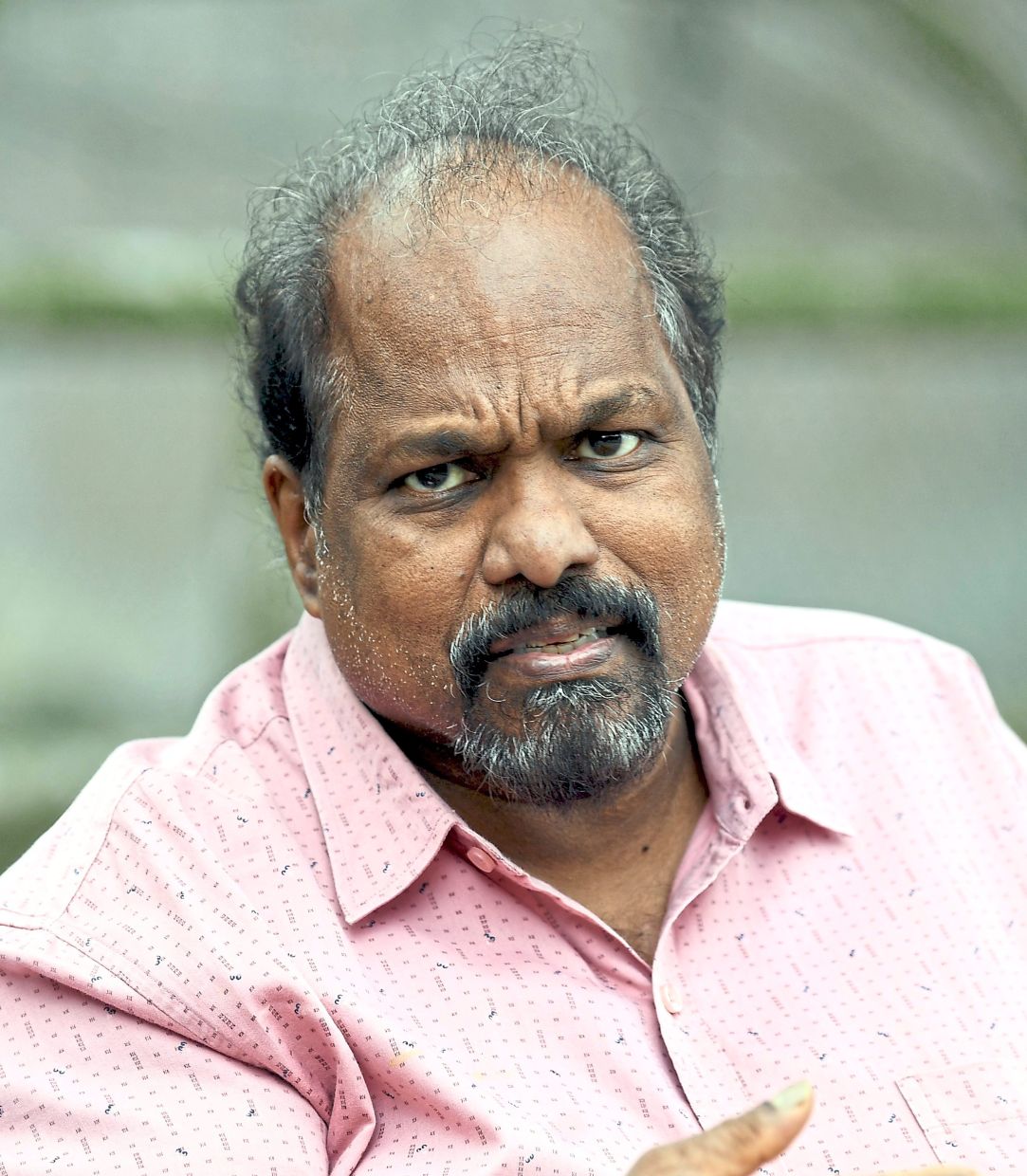
He was verbal but limited in his communication; he was terrified of heights and struggled with social interaction.
Today, Vharma isn’t just riding; he is more confident and self- assured.
Marriage of science and spirit
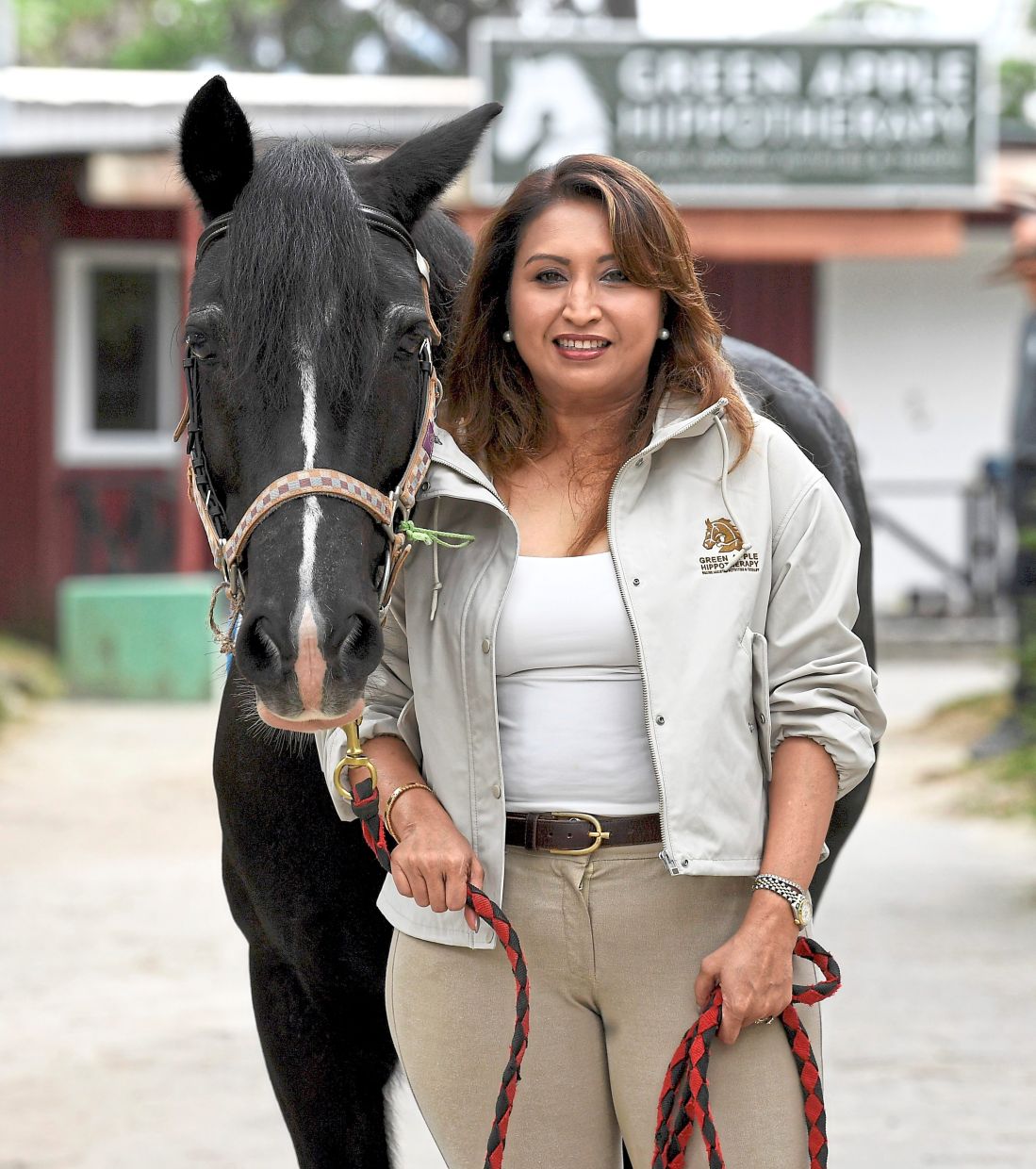
Green Apple Equine Therapy chief executive officer Iliza Muhammed Ikhbal says her path to the field is a marriage of disciplines.
An accomplished equestrian who moved from the grit of 80km endurance races to the disciplined “art” of dressage, she is married to paediatrician Dr Ali Azman.
“You put an equestrian and a paediatrician together, and you get a combination of expertise in horse and children,” Iliza explains.
The husband and wife co-founded the centre 12 years ago on the belief that healing doesn’t happen within the four walls of a clinic or a therapy room alone – it can happen in the paddock too.
“Equine therapy is an approach that uses the movement and presence of horses to support physical, emotional and neurological development,” she says.
“Globally, it has roots in rehabilitating soldiers after World War I. Today, science has caught up and we now know that the horse’s movement closely mirrors the human gait.”
The 3,600-step miracle
Iliza sees a horse as a sophisticated “co-therapist.” The animal, she says, provides something no therapy ball or machine can replicate for children with cerebral palsy: a perfect three- dimensional walking gait.
When a horse walks, she explains, it generates rhythmic and repetitive movement – forward and backward, side to side and rotational.
“This is similar to the biomechanics of human gait and delivers continuous sensory input to the rider,” she adds. “As a horse walks, it gently shifts the child’s pelvis in a way that mimics natural human walking.”
“In a single minute, the horse takes 120 steps,” Iliza explains. “In a 30-minute session, that is 3,600 steps of sensory input. The child’s brain memorises these movements. For a child who cannot stand on his or her own, the horse is essentially teaching the brain how to walk.”
For six-year-old Mikhael Ali, who has speech delay and extreme sensitivity to noise, the horse – through its vibration – provides a calming and healing sensation.
“Mikhael connected instantly; he loves animals,” shares his mother, 47-year-old Faridah Fadzullah, a healthcare consultant.
“He’s calmer now and is less sensitive to his surroundings. For us, it’s a win-win situation. It’s a fun outing for him, not just another doctor’s appointment.”
For Mohanan, the most significant change in Vharma happened at home, shifting from simply repeating what was said to him to voicing his own needs and preferences.
“Before, if I asked him if he wanted to eat, he would just repeat the question back,” Mohanan says.
“But now, he can converse. He will say, ‘Shall we try pizza today? Yesterday I had a burger.’ He has reached a new level of communication. It has changed our lives.”
Beyond the diagnosis
Iliza notes that while hippotherapy is still a niche field in Malaysia, awareness is steadily increasing.
“Parents are looking beyond conventional therapy rooms and are open to approaches that feel more human and less clinical,” she says.
However, there is a challenging side to her work. Iliza admits that running a hippotherapy centre is not a high-profit business venture, with her centre often operating on a “dangerous margin”.
“But as long as there are people knocking at my door asking for help for their children, how can I say no?” she asks.
Her team is made up of certified physiotherapists, occupational therapists and speech therapists.
Perhaps the most vital team members are the “co-therapists”: the horses. Each one is painstakingly selected.
The criteria includes physical traits such as proportionate conformation, muscle build and coat. But the most important factor is temperament.
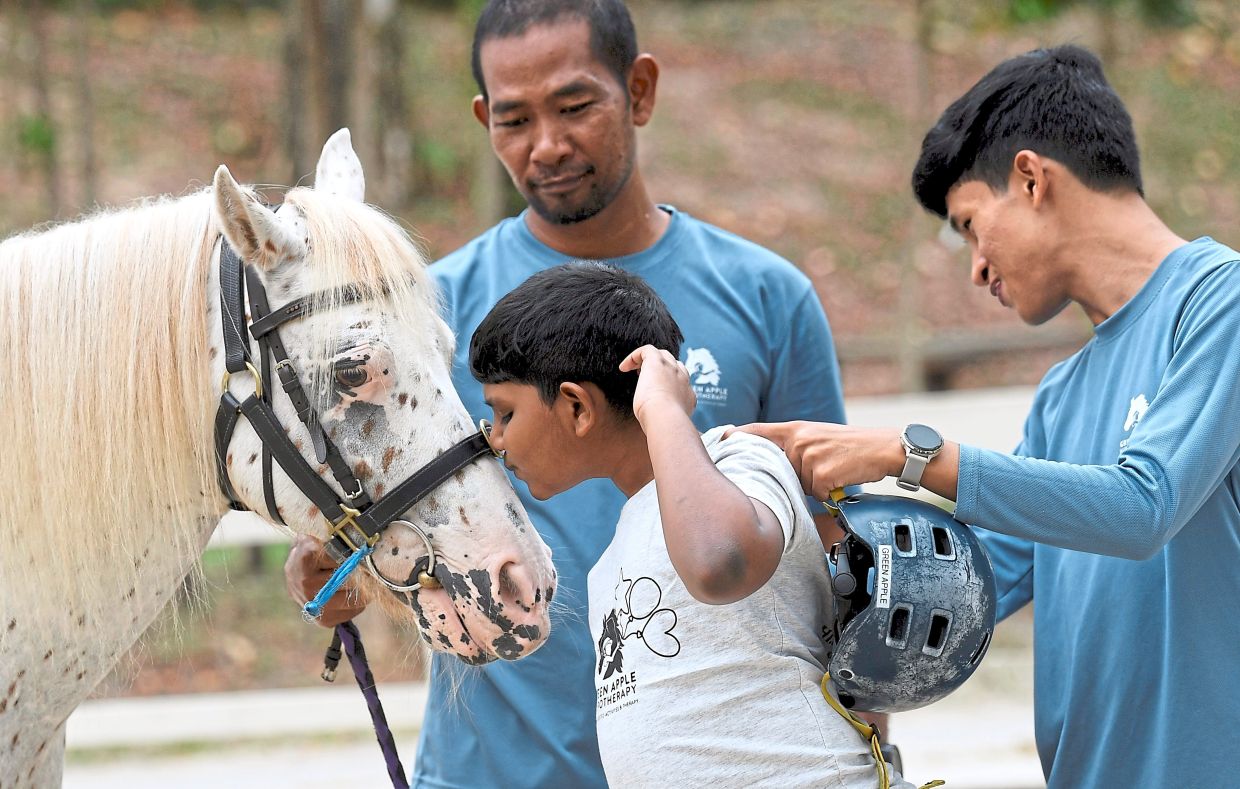
“We look for calmness, consistency and emotional intelligence. Some horses seem to understand children instinctively. Their energy, size, height and rhythm all count,” Iliza explains.
“If a horse has a big head and a small body, they cannot provide the correct movement. Matching a horse to a child is a form of matchmaking.”
Once the match is made, the breakthroughs begin, Iliza says.
She recalls children who arrived at the centre unable to stand but began talking steps after two years of therapy.
Others, who are non-verbal for years, uttered their first words while sitting on a horse’s back.
“The horse is unassuming and non-judgmental,” Iliza says. “Children who struggle with eye contact with humans will often ‘connect’ to the horse first.”
All in 30 minutes
Iliza says a session is never just one person and one horse. Each child arriving for a 30-minute session is accompanied by a trained handler, a therapist and side-walkers when needed.
“Every step, every movement, every pause is guided. It is therapy, but it doesn’t feel like one to the child; it feels like a connection,” Iliza explains. “Everyone moves as one unit, always prioritising safety, dignity and therapeutic intention.”
Situated at the fringe of the Selangor Turf Club in Sungai Besi, the space is designed to make the children feel secure and relaxed.
“The open areas reduce sensory overload and provide quiet areas for grounding,” Iliza says.
She says nature plays an active role in regulating the nervous system, while a cabin office provides space for indoor assessments and consultations with their in-house paediatrician.
“The goal is stability without restriction – supporting the child while still allowing freedom of movement,” she says.
“We often say: We do not fix the child. With the help of the horse, we reveal what is already possible.”